Best coop for a first flock
The best chicken coops for beginners, with the capacity claims checked
Four coops with every capacity claim divided out and checked against published extension space figures.
Stage 2 — weeks 4 to 8
A coop is the biggest check you will write and the one where the marketing is furthest from the arithmetic. Here is how to do the division yourself.
Every coop sold to a backyard keeper carries a bird number on the box. That number is almost never wrong in the sense of being a lie — it is wrong in the sense of being a different question from the one you are asking. It usually assumes a permanently open attached run and birds that are inside only to sleep. If your birds will ever be shut in for a day of weather, the number to use is the one you calculate yourself.
These are published, free and boringly consistent across extension services:
| What | Figure | Published by |
|---|---|---|
| Indoor floor space | 3 to 4 sq ft per hen | poultry.extension.org |
| Outdoor space | 10 sq ft per hen | poultry.extension.org |
| Indoor with run access | At least 3 sq ft per bird; 8 to 10 sq ft with no outdoor access | Oregon State University Extension EC 1644 |
| Indoor (minimum) | 2.5 to 3.5 sq ft per bird | Cornell Cooperative Extension |
| Perch space | 6 to 10 in per bird | University of Maryland Extension |
| Perch height | No higher than 4 ft above the floor | University of Maryland Extension |
| Nest boxes | One nest per 4 to 5 birds | University of Maryland Extension |
| Nest height | 18 to 20 in off the floor | University of Maryland Extension |
For six hens that works out to 18 to 24 square feet of coop floor, 60 square feet of run, three to five feet of roost bar and two nest boxes. Hold that in your head while you read a product page and most of the marketing resolves itself.
Take the most-published coop in the category. Omlet prints the Eglu Cube’s interior dimensions — H 1 ft 7 in by W 2 ft 10 in by D 2 ft 9 in — and states 6 large hens. That is 34 by 33 inches, or 7.79 square feet, which at six birds is 1.30 square feet a hen. Against the extension figure of 3 to 4 square feet indoors, the same shell supports around two to three birds under confinement.
This is not a gotcha, and Omlet deserves credit for publishing the numbers at all — most coop makers do not, which is why they cannot be checked. The design genuinely assumes a permanently attached run: the coop is a roosting box, the run is the living space, and the birds are inside for eight hours of darkness. Under that assumption the figure is defensible. Under a week of snow with the run door shut, it is not. The point is that you now know which assumption you are buying.
Compare a wooden farm-store coop and the problem inverts. A popular steel-framed model publishes an external footprint of 41.74 by 40.35 inches and states six chickens, but publishes no interior floor area and no roost-bar length at all. There is nothing to divide. That is a documentation failure rather than a capacity one, and it is why our rubric weights documentation so heavily: a maker who publishes nothing is asking you to trust the number on the box. The coop size page works through this in full, for four, six and eight birds.
We run the same division for every common flock size, because the answer changes shape as you scale rather than just scaling with it. At three birds the surprise is that a six-bird coop is the one that fits. At ten, both coops sold as ten-bird models fall short on their own published dimensions and the run becomes three times the coop.
The same habit is worth applying to claims that are not about capacity at all. “Walk-in” is the clearest example: one maker publishes the door dimension, and it turns out to be the same 43 inches on a coop for ten birds and a coop for thirty.
The intuition that a cold coop needs warming is wrong, and acting on it causes the problem it was meant to prevent. Chickens tolerate cold well; what harms them is moisture. A sealed coop full of birds breathing and producing droppings turns humid overnight, that moisture condenses on combs and wattles, and that is frostbite. The answer is high ventilation that moves damp air out above the birds without putting a draft on the roost. The ventilation page covers the distinction, which is the single most useful thing a first-time keeper can understand about winter, and the winter coop roundup applies it as a buying criterion — no coop we have found publishes an R-value, but some of them publish how the air moves.
Ventilation is the daily half of keeping a coop healthy. The annual half is emptying it out completely, and there is a published order to that which most people get backwards. How to clean a chicken coop has the seven steps extension guidance gives, the reason a disinfectant does nothing on a dirty surface, and the bleach hazard that comes with doing them out of order.
Almost everything about predator-proofing comes down to one decision made at the hardware store. Chicken wire is designed to keep chickens in. It does not keep a raccoon out — a raccoon reaches through a two-inch hexagon — and it does not keep a weasel out at all. Half-inch hardware cloth in 19 gauge does both. It costs more, it is the correct answer, and substituting the cheap roll is how flocks are lost in a single night. Predator-proofing covers the hardware, the apron, and the legal position on hawks, which is not what most forums will tell you.
Aerial predators are the half that hardware cloth does not address, and the published answer there is equally material rather than clever: cover the run. Keeping hawks away works through the mesh sizes, why none of the deterrents sold for this has published support, and how to tell a raptor loss from a raccoon one — which matters, because both leave a bird with its head missing and the two fixes are nothing alike.
Before comparing flat-pack coops, check the shed. On Penn State Extension’s published 2 sq ft per large bird, an 8 by 6 ft garden shed houses 24 chickens on floor area alone — several times what a typical “ten hen” flat-pack delivers once you do the division. Turning a shed into a coop sets out the five published figures the conversion turns on, and why ventilation is the one that causes harm if you skip it: a shed is built to be sealed, and a sealed building full of birds is how frostbite happens.
The opposite problem has a published answer too. Once a flock is out on the grass it will find the vegetable beds, and keeping chickens out of the garden covers why fencing the beds beats fencing the birds — plus what wing clipping actually does, which is less than its reputation suggests and has to be redone after every molt.
Heads up: some links on this page are affiliate links. If you buy through one we may earn a commission at no extra cost to you. It never changes a ranking, and we take no payment for placement. The full version.
Best coop for a first flock
Four coops with every capacity claim divided out and checked against published extension space figures.
Best coop for four hens
The 12 to 16 sq ft target for four birds, and which coops actually deliver it rather than claim it.
Best coop for six hens
What six birds actually need against what six-bird coops publish — and the gap between the two.

Best automatic coop door
Three automatic doors compared on published cold ratings, battery life, IP rating and opening size.
Best door head to head
Three coop doors head to head on power, weather rating, opening size and failure behavior.
Best coop bedding
Bedding compared on moisture handling and ammonia control, with the published coverage and dust figures.
Guide
Floor space, run, roost and nest boxes by flock size, from published extension figures — plus the check applied to real coops.

Guide
The mesh, the ground apron and the latches — plus the federal law on hawks that most forum advice gets wrong.

Guide
Why sealing a coop causes frostbite, where the openings go, and how to tell ventilation from draft.
Best coop for three hens
The 9 to 12 sq ft target for three birds, and the counterintuitive result: the six-bird coop is the one that fits three.
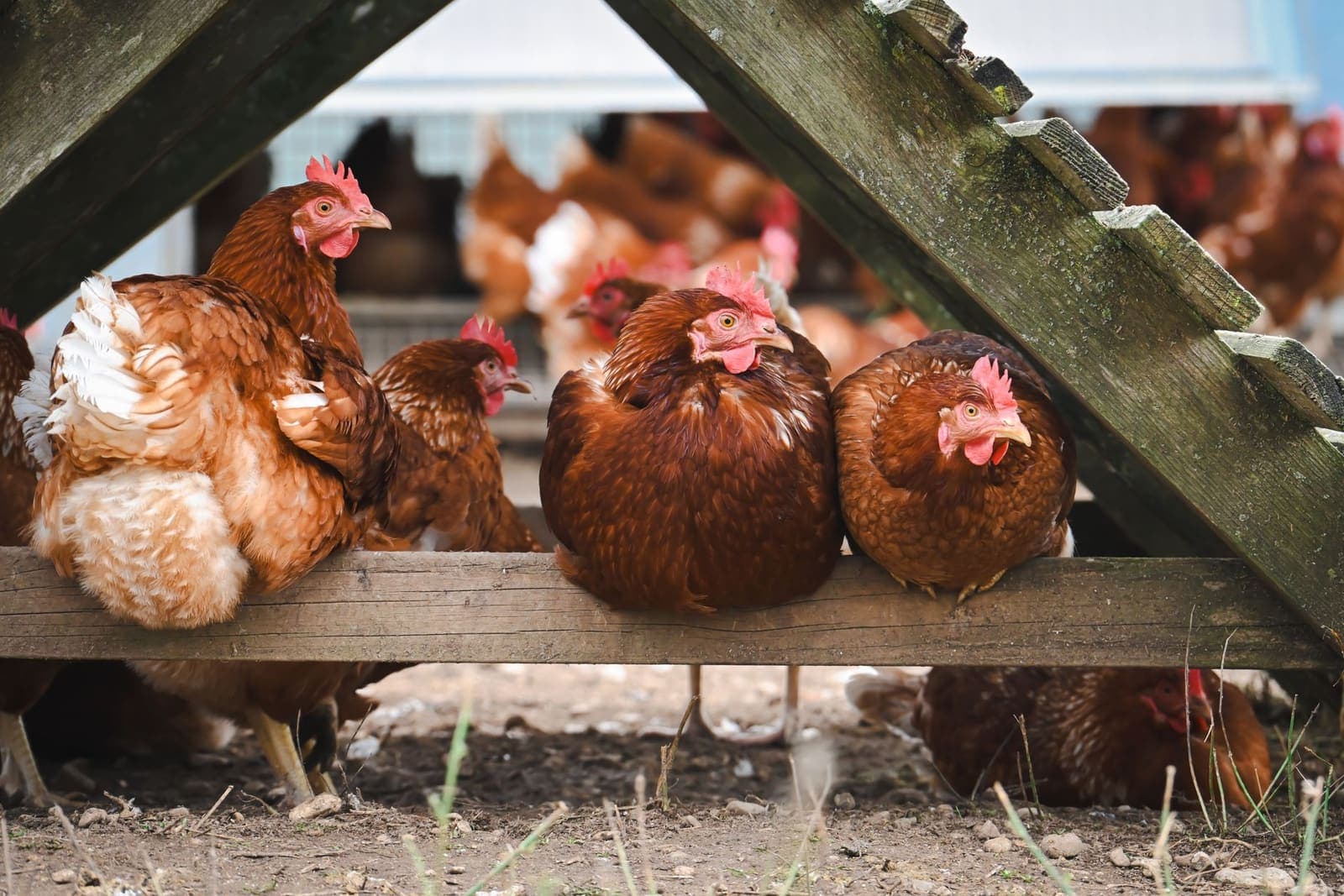
Best coop for five hens
Five birds need 15 to 20 sq ft and still only one nest box — and no coop on the market is built for five.
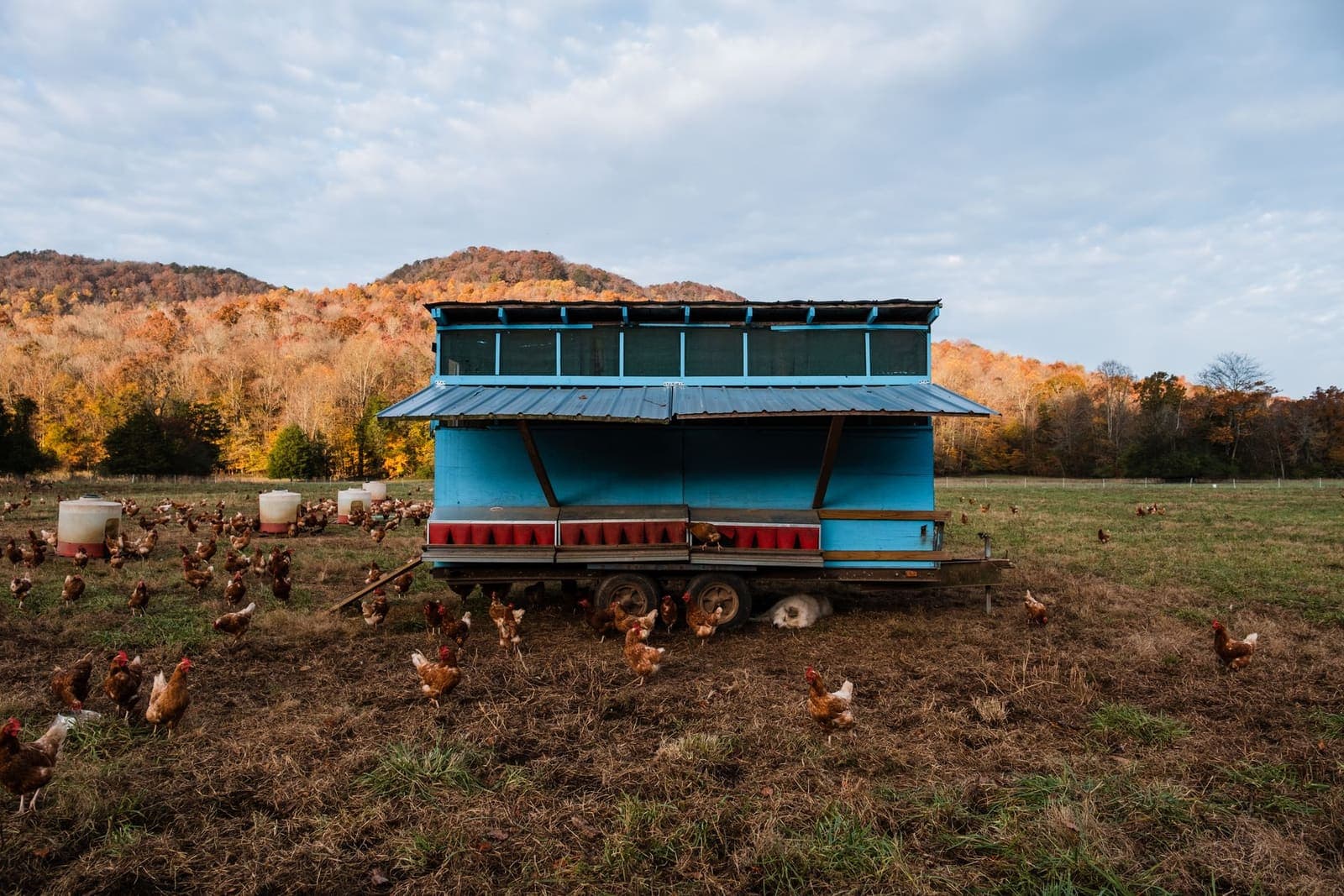
Best coop for eight hens
Eight birds need 24 to 32 sq ft and 48 to 80 inches of roost — and roost is the spec that fails first.
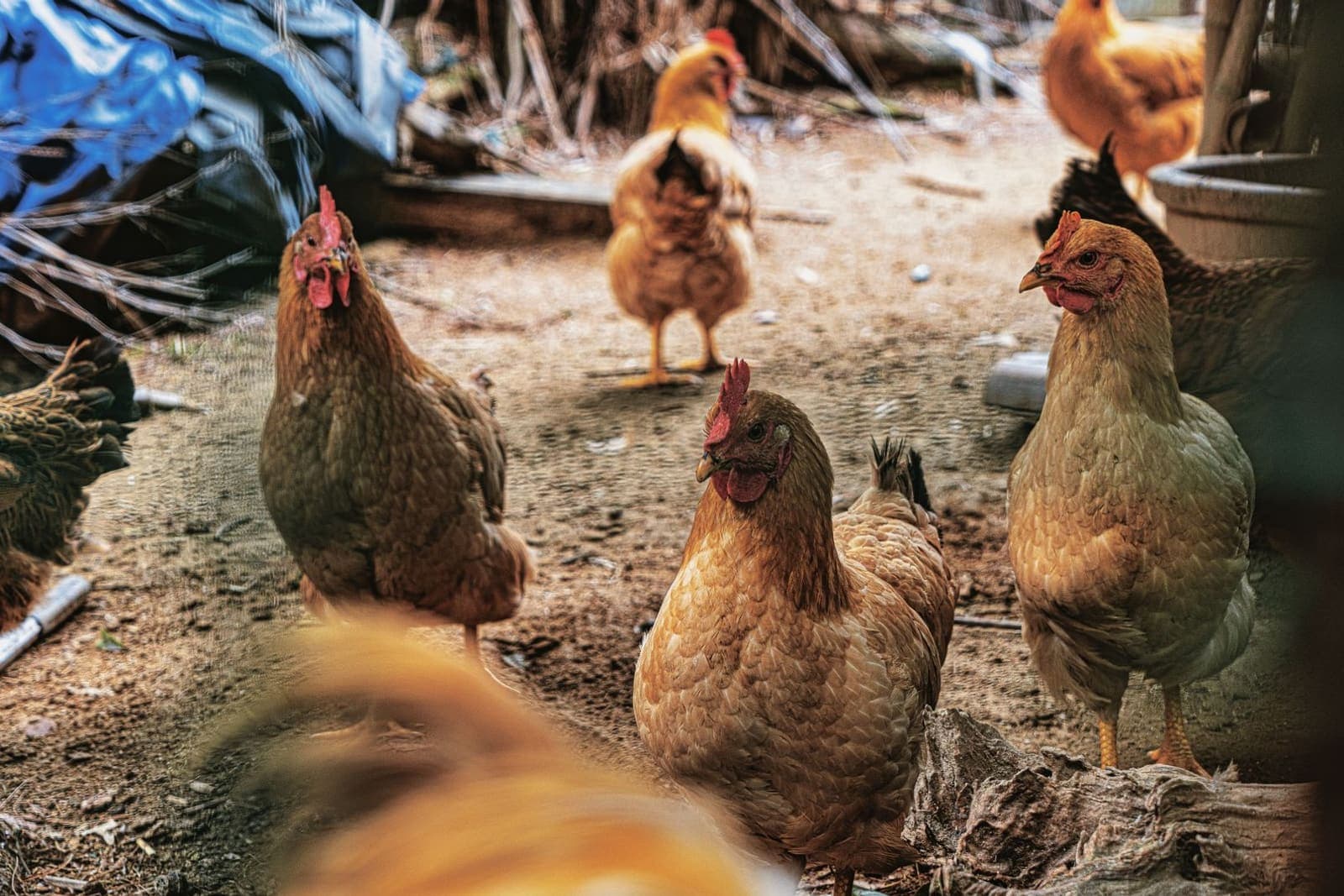
Best coop for ten hens
Ten birds need 30 to 40 sq ft of coop and 100 sq ft of run — and both coops sold for ten fall short on their own numbers.

Best coop for a cold winter
Five coops on published ventilation, roost material and confinement floor area — because winter damage is moisture, not cold.
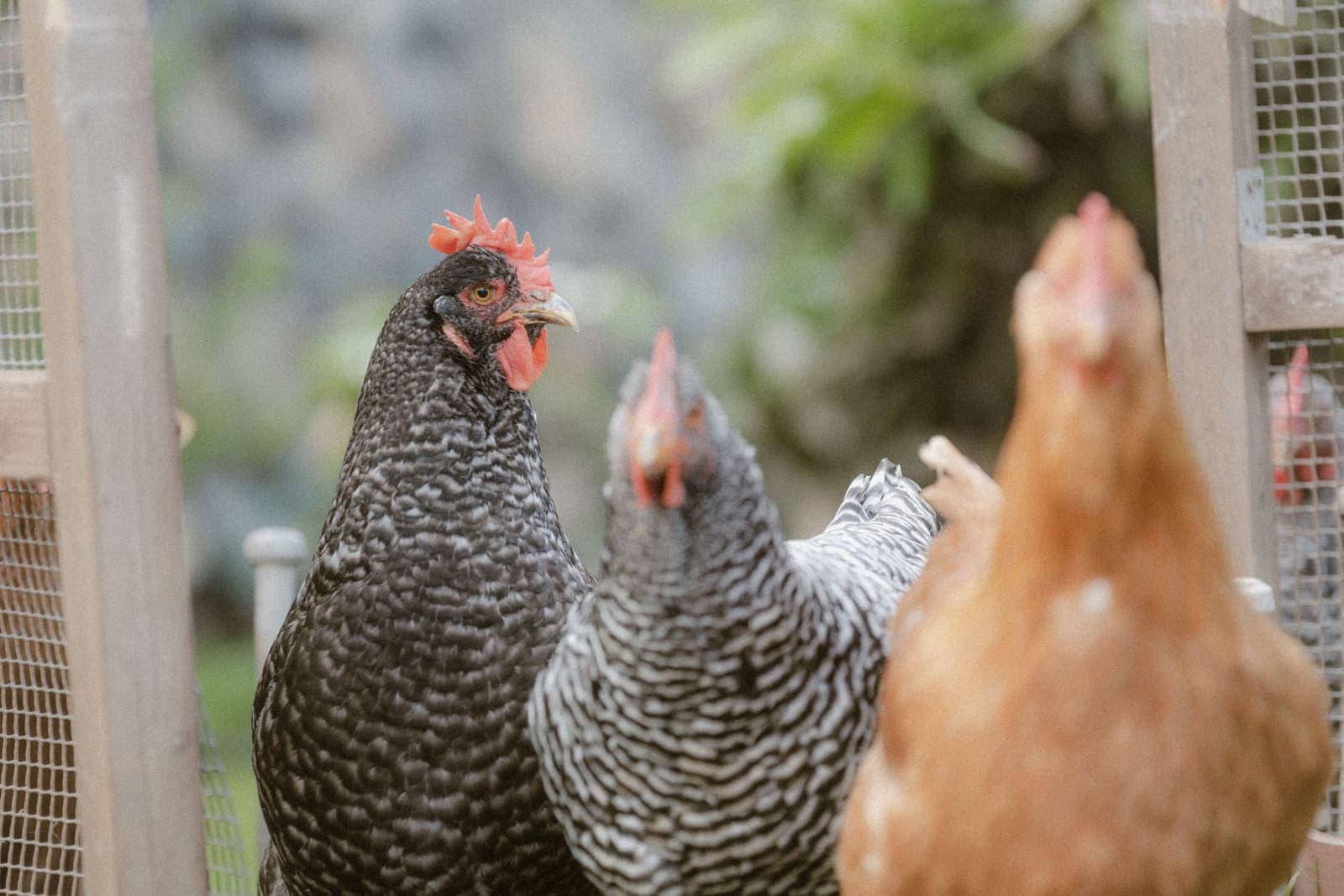
Best coop to actually work in
Published man-door dimensions across a whole coop range, and why the biggest coop does not get a bigger door.
Guide
Deep litter succeeds or fails on litter moisture. The published threshold, the bedding that suits it, and the month-by-month routine.
Best chicken run
Four walk-in runs divided by the published 10 sq ft per bird, plus the mesh specification none of them publishes.
Top pick · VAGGER Walk-In Chicken Run, 10 x 10 ft
Guide
The Run-Chicken T50 on its own published specs and Quick Start Guide: opening, clearance, power, the motor lock, the one-year warranty, and who should buy the Eternal or the Omlet instead.
Best electric poultry netting
Electric netting compared on published strand count and post spacing, with the joule rule for sizing an energizer and what netting does not protect against.
Top pick · Premier 1 Supplies PoultryNet Plus 12/48/3, 48 in x 100 ft
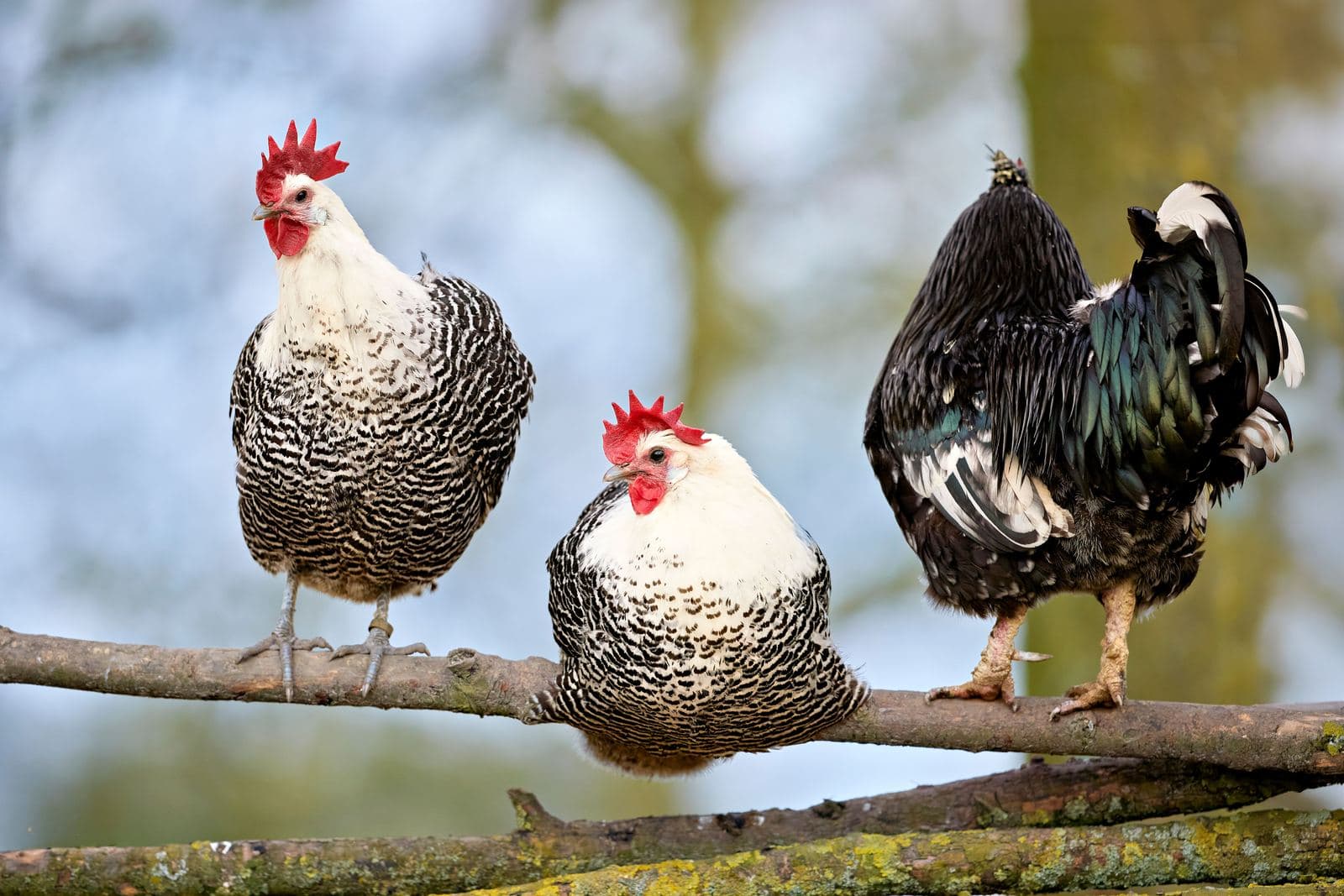
Best roosting bar
6 to 10 inches of perch per bird is the published figure. How to convert a bird-count claim into inches, why flat beats round, and how high to mount it.
Top pick · PETSFIT Square Chicken Roosting Perch, 55 x 40 in
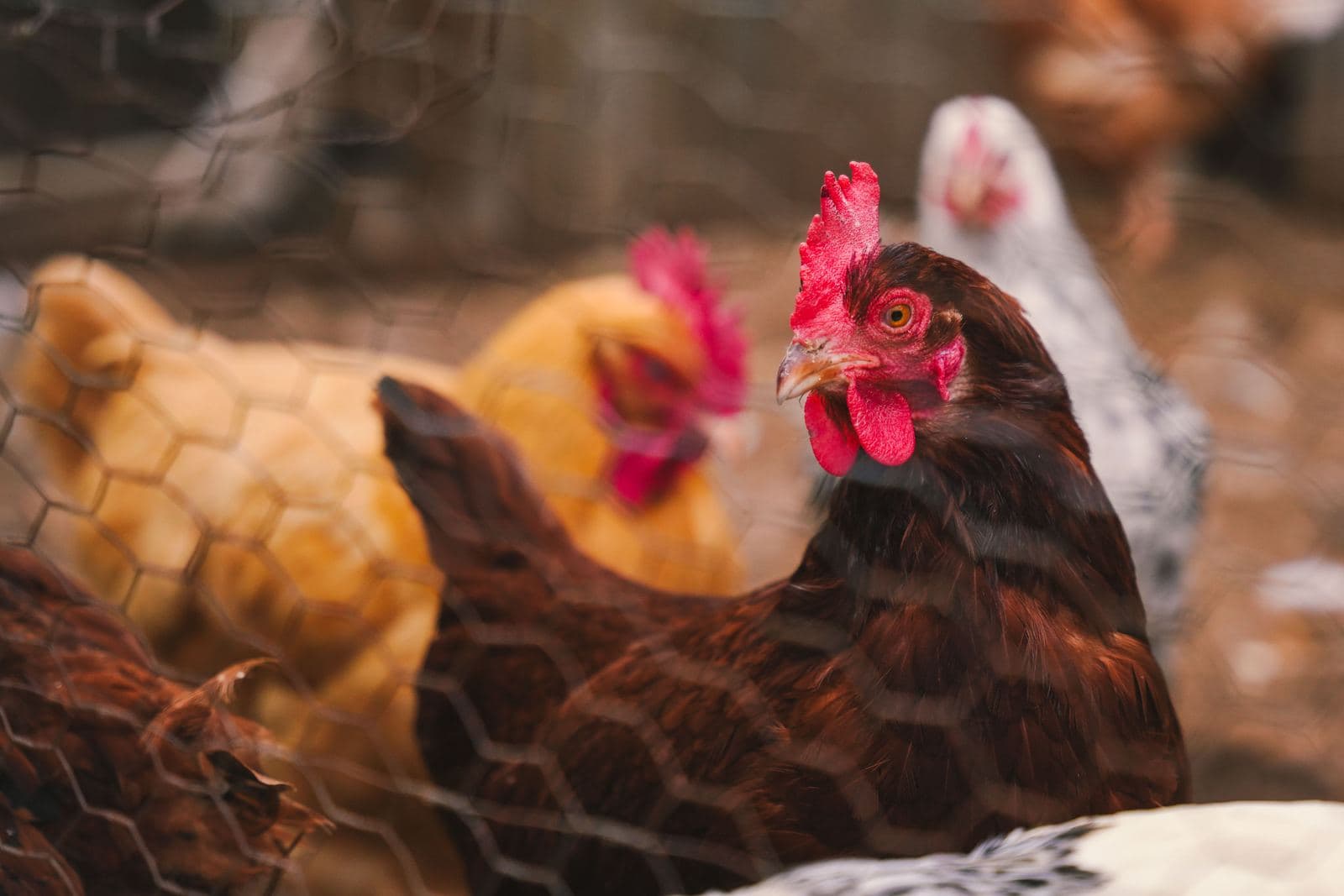
Guide
The Eglu Cube reviewed on Omlet's own published interior dimensions: 1.30 sq ft per hen at the stated six, what that means in practice, and when the Go or Pro is the right buy.
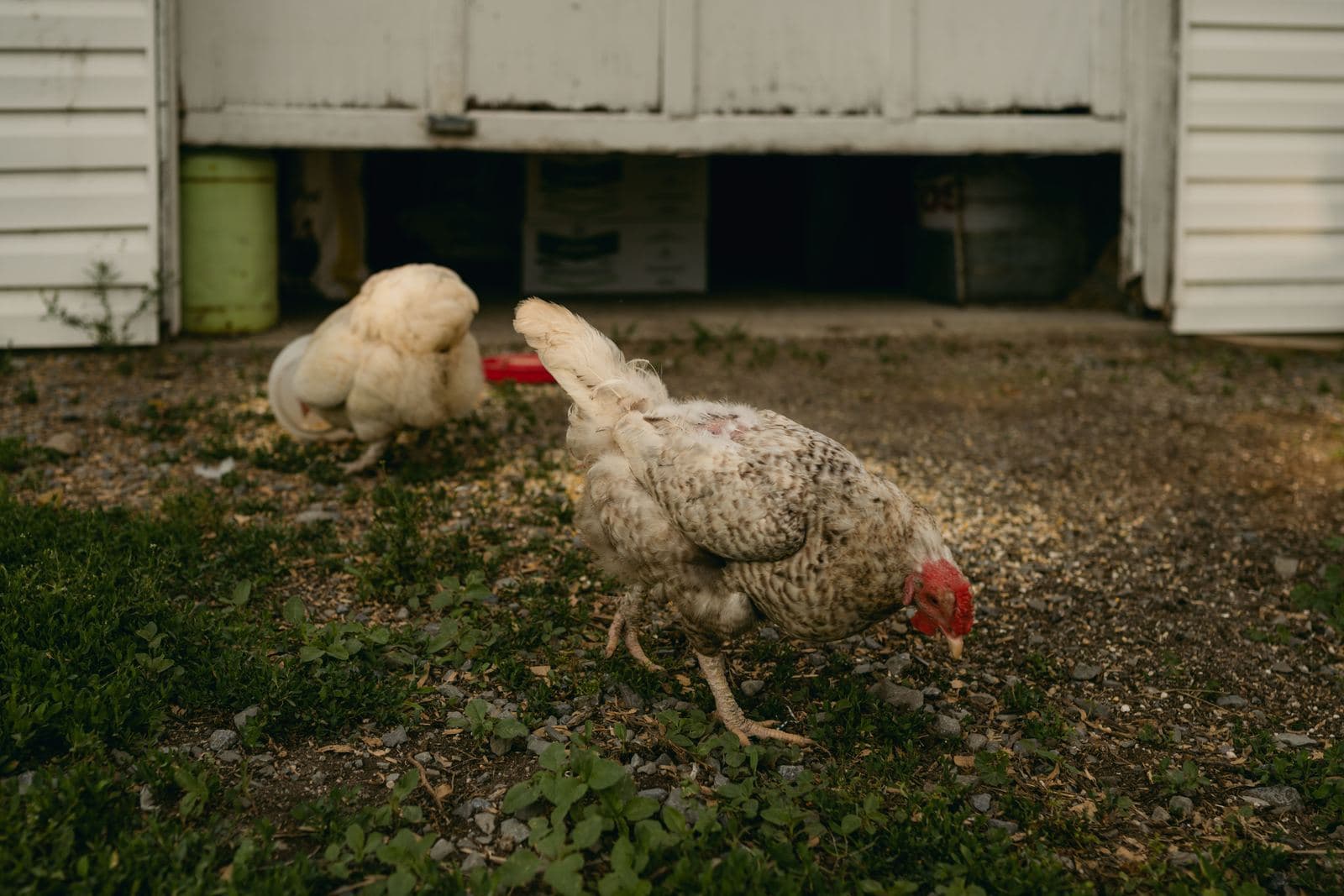
Best mobile chicken coop
Mobile coops and tractors on published dimensions, the combined indoor-plus-run allowance they are sold against, and the wheel kit that converts the coop you already own.
Top pick · MEDEHOO Mobile Chicken Coop with Wheels, 6-8 Chickens
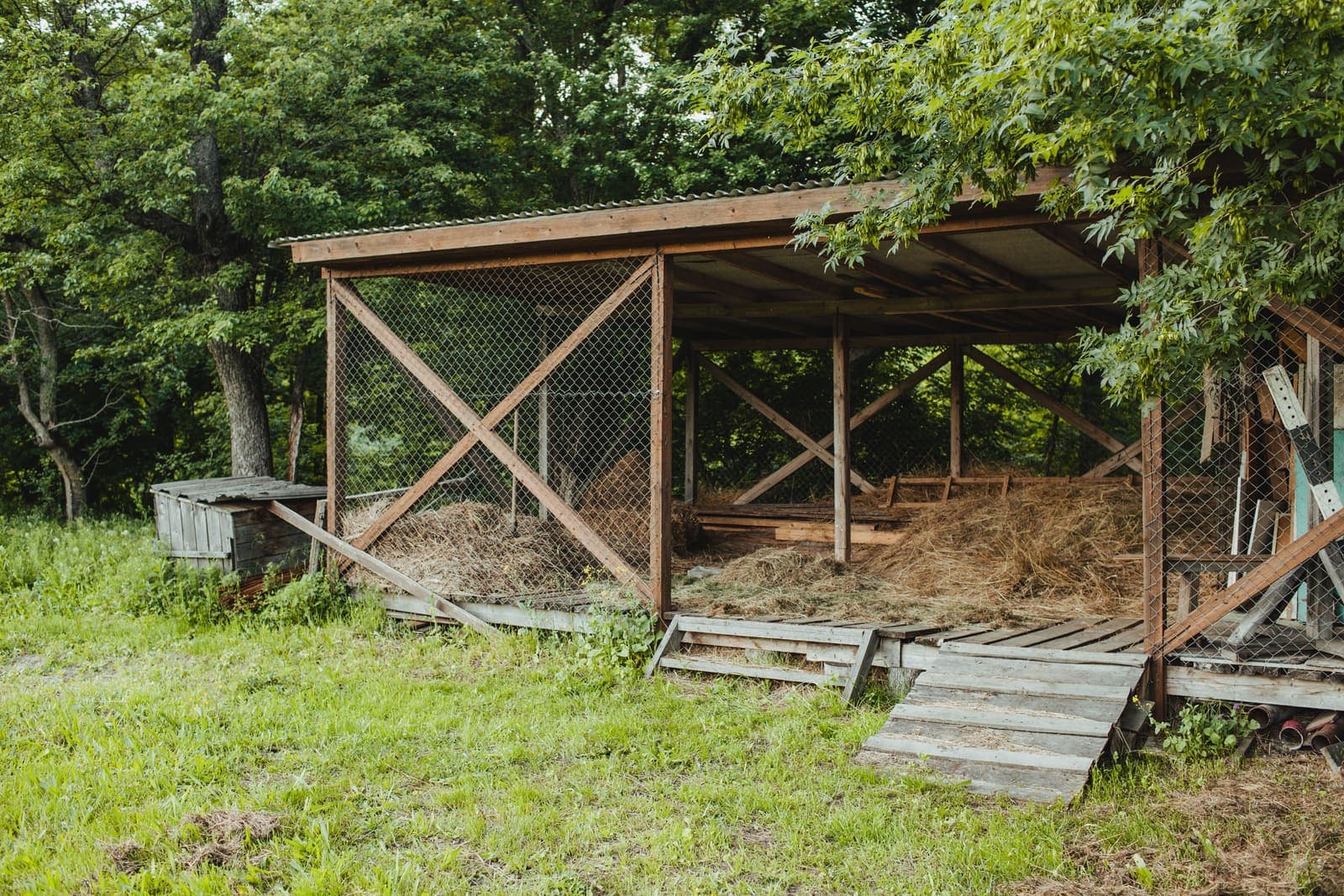
Guide
The seven published steps in order, why a disinfectant fails on a dirty surface, the bleach hazard nobody warns you about, and how much disinfectant a small coop needs.
Guide
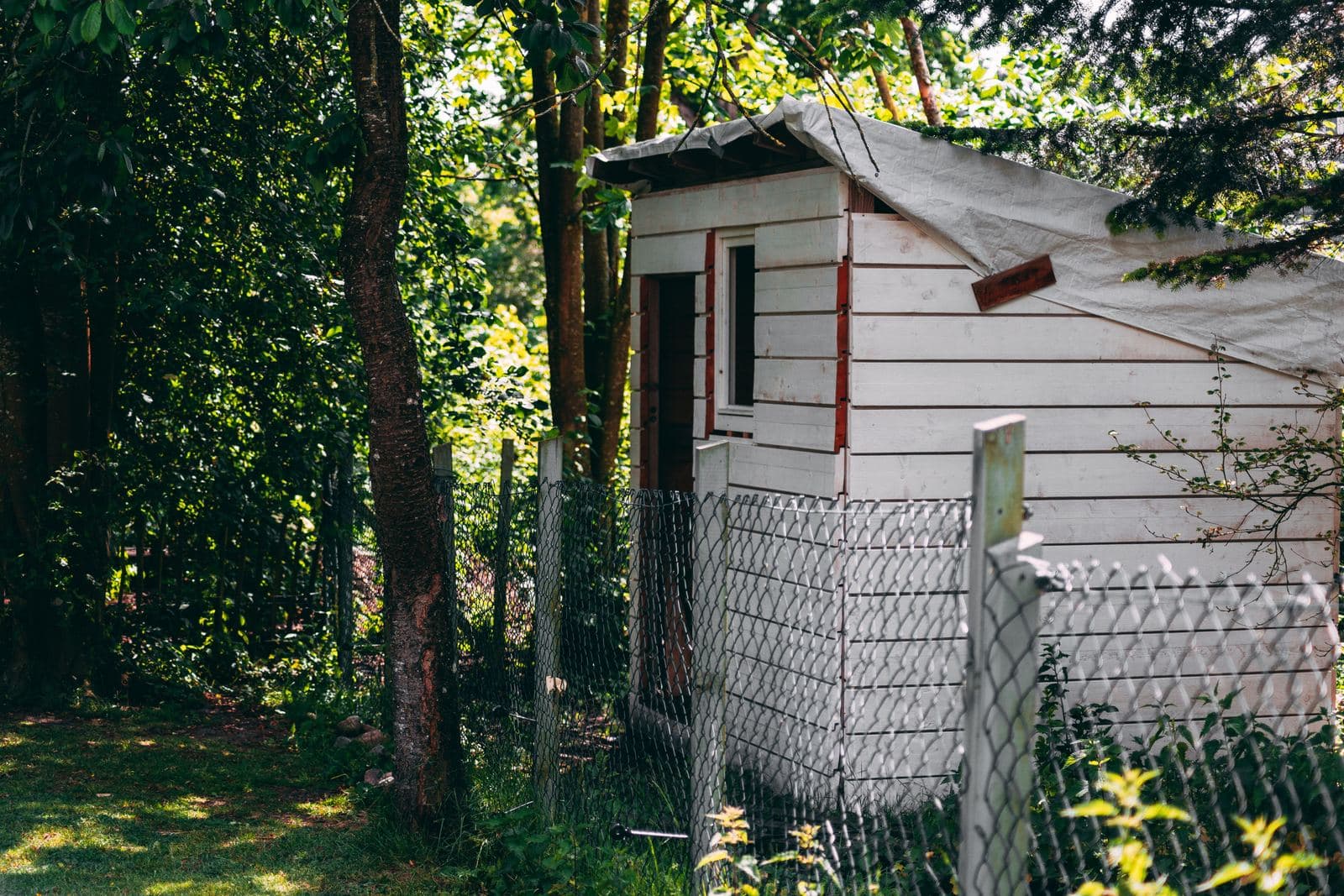
A shed converts into a better coop than most flat-pack coops, on published space figures. Ventilation, roost space and nest counts are the five numbers that decide it.

Best hawk netting
Physical exclusion is the only published answer to aerial predators. Mesh sizes compared, the legal position, and why deterrents fail.
Top pick · Vocray Woven Aviary Netting, 25 x 50 ft, 1 in mesh
Guide
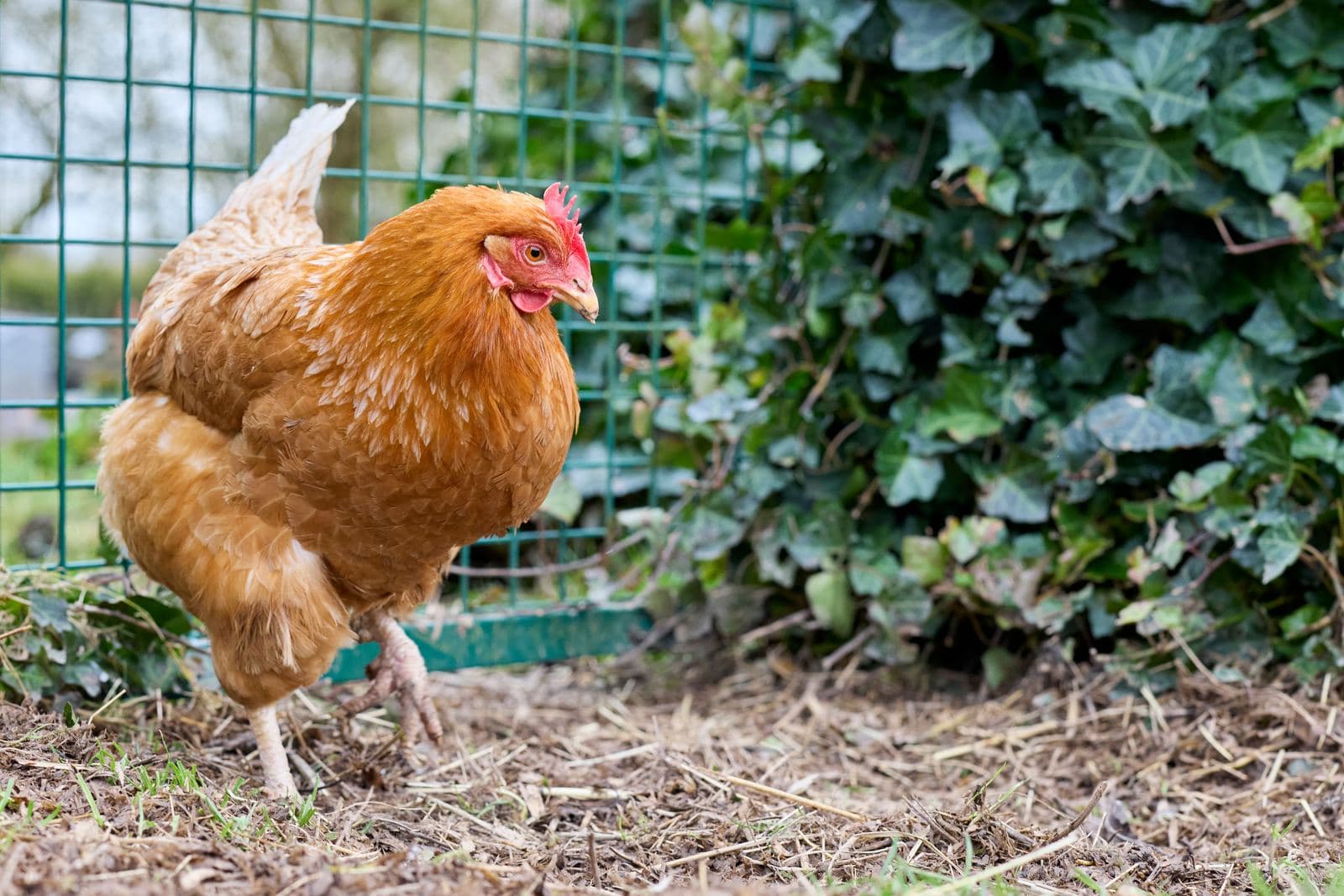
Why fencing the beds beats fencing the birds, what the published wing-clipping procedure actually says, and the two details that change the decision.
Poultry.extension.org publishes 3 to 4 square feet per hen indoors and 10 square feet outdoors. Oregon State University Extension publishes at least 3 square feet per bird where a run is available, rising to 8 to 10 square feet where there is no outdoor access. For six hens that is roughly 18 to 24 square feet of coop floor.
Yes, year-round and especially in winter. Chickens produce a lot of moisture through breathing and droppings, and in a sealed coop that moisture condenses on combs and wattles and causes frostbite. Ventilation should be high, above roosting height, so damp air leaves without blowing directly on the birds.
University of Maryland Extension publishes one nest for every four to five birds, secured 18 to 20 inches off the floor. For a flock of six that is two boxes. Adding more rarely helps, because hens tend to queue for whichever box they have collectively decided is the correct one.
No. Chicken wire is designed to contain chickens, not to exclude predators. Its openings are large enough for a raccoon to reach through and for a weasel to pass through entirely. Half-inch hardware cloth in 19 gauge is the standard material for runs, vents and buried or laid aprons.