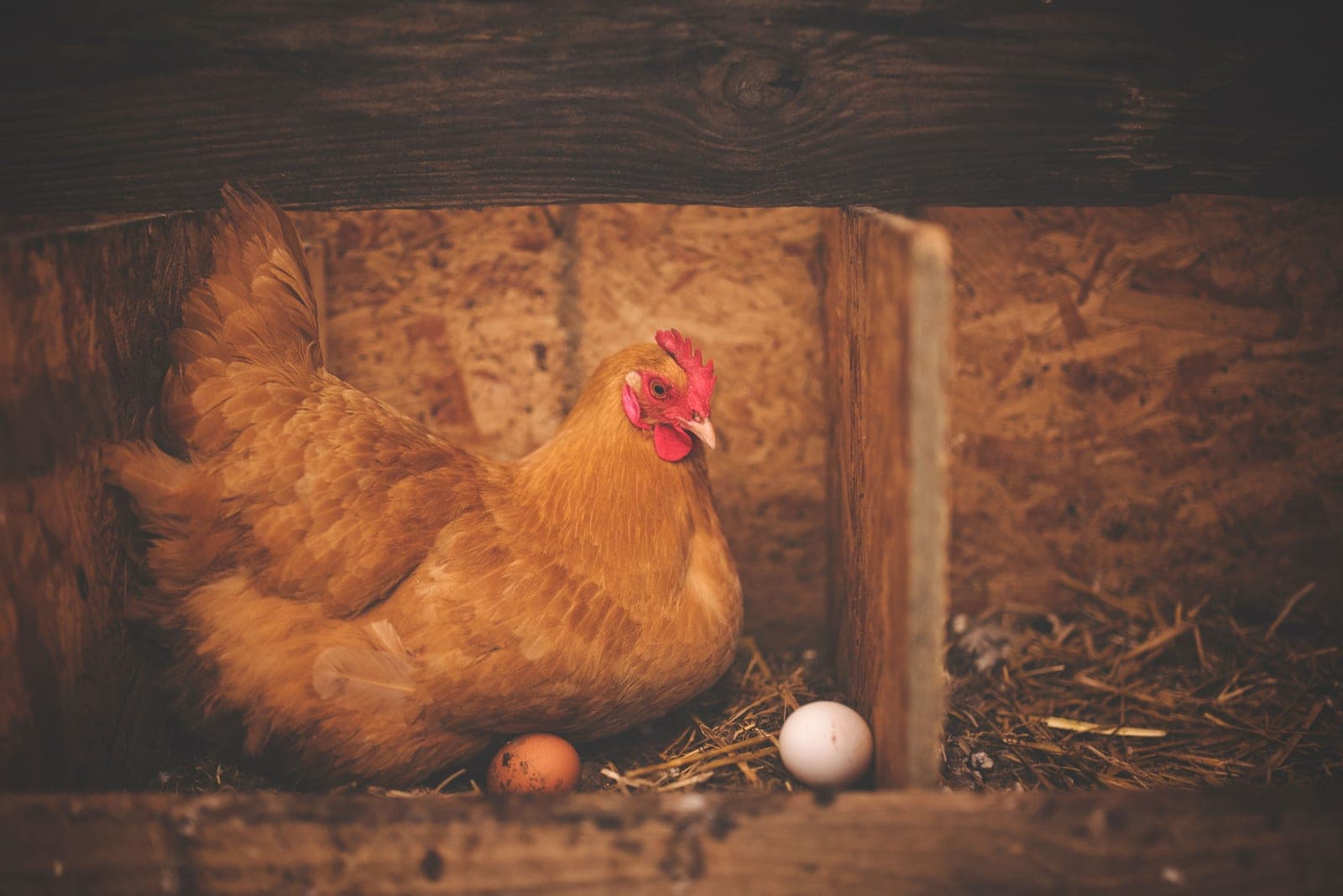
Best nest box
Nesting boxes, and the ratio that decides how many you buy
Nest boxes on published dimensions, with the one-per-four-to-five-birds ratio that decides how many you need.
Top pick · Best Nest Box Small 24" Reversible Roll-Out Nest Box
Stage 4 — week 16 and up
Somewhere around week sixteen the feed changes, the calcium arrives, the nest boxes need to exist, and a hen decides where she is going to lay whether you have decided or not.
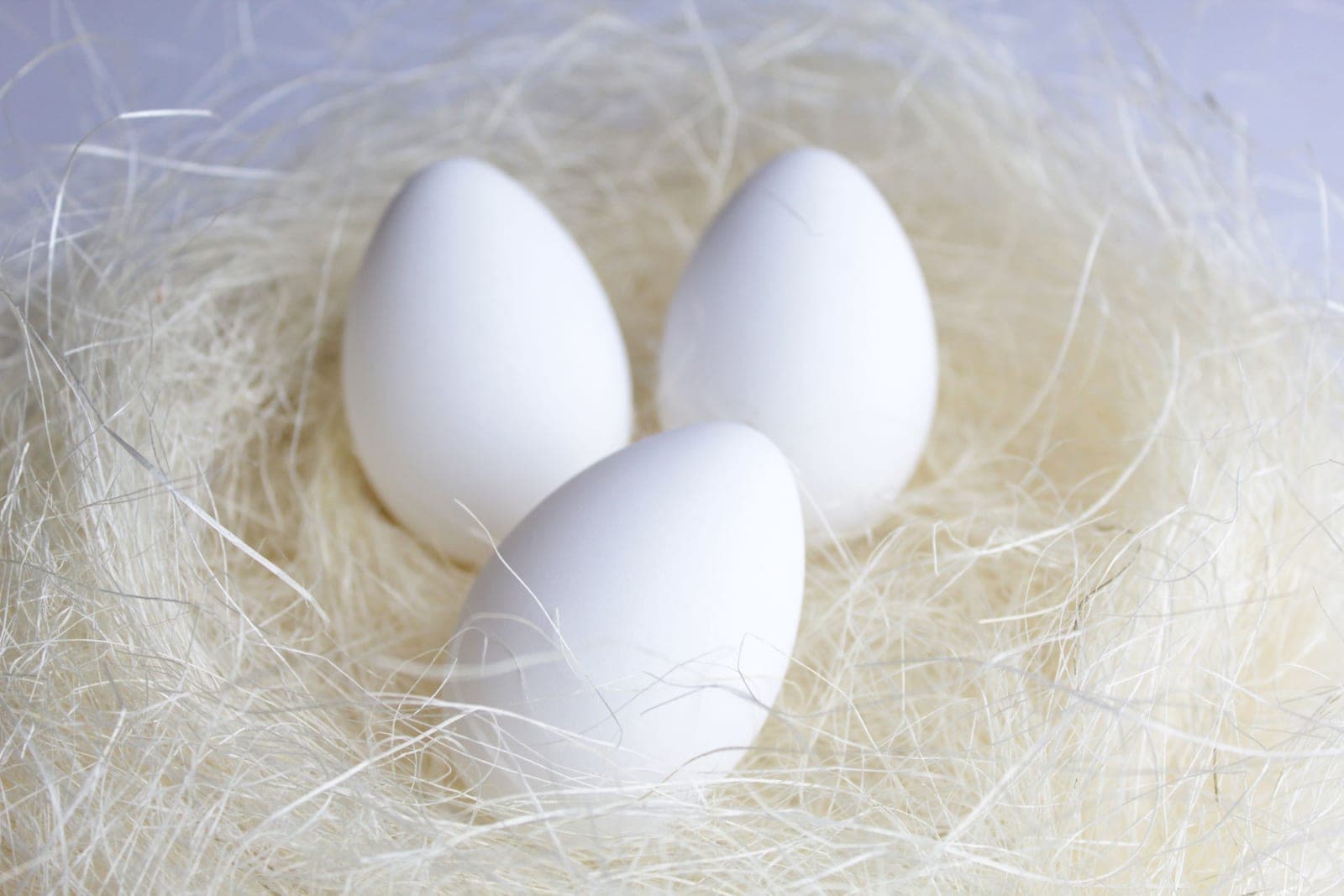
The first egg arrives without warning, usually somewhere between weeks 18 and 22 for a production breed and later for a heritage one, and often in a corner of the run rather than anywhere you intended. Whatever a pullet lays on for the first fortnight is what she will keep laying on, so the nest boxes have to be in place and attractive before she starts, not after you notice she has.
| What | Figure | Published by |
|---|---|---|
| Boxes per flock | One nest for every 4 to 5 birds | University of Maryland Extension |
| Mounting height | 18 to 20 in off the floor | University of Maryland Extension |
| Starting placement | On the ground until pullets get used to them, then raised | University of Maryland Extension |
| Common box footprint | 12 to 14 in square (13 in pads are the de facto standard) | Nest pad makers |
Two boxes covers a flock of six by the published ratio, and buying more rarely helps. Hens are not individualists about this: they collectively decide one box is correct and queue for it while the others sit empty. What you are providing is choice and hygiene, not capacity.
A roll-out nest box has a sloped floor. The egg is laid, rolls away from the hen and lands in a covered collection tray she cannot reach. It fixes two things at once: eggs stop sitting in bedding a hen has been standing in, and — much more importantly — a hen that develops the habit of eating eggs can no longer get at them.
That second point deserves emphasis, because egg-eating is close to incurable once it starts. A hen cracks one accidentally, discovers what is inside, and teaches the rest of the flock. There is no reliable cure. A roll-out box does not treat the habit; it removes the opportunity, which is why it is worth considering before you have the problem rather than after. The roll-out comparison covers the trade-offs, including the level-mounting requirement people miss.
A freshly laid egg carries a natural coating called the bloom that seals the shell’s pores. Leave it intact and the egg keeps at room temperature for a long time. Wash it and you have removed the seal, and the egg now belongs in the refrigerator. This is the single most useful thing to know about your own eggs and it is why supermarket eggs in the US are refrigerated and much of Europe’s are not — a difference of washing practice, not of freshness.
The practical consequence: collect daily, brush off anything dry, and only wash the ones that genuinely need it, immediately before use. Egg handling goes through it, and nest pads are the upstream fix — a clean nest means far fewer eggs need washing at all.
Almost every question on this hub eventually becomes a question about one bird. Which one has stopped laying. Which one is broody again. Which one was treated last week and still has eggs to discard. Six hens of the same breed make all of that guesswork, and the fix costs a few dollars. Chicken leg bands covers the sizing rule the suppliers bury — the size number is the inside diameter in sixteenths of an inch — and why the published breed charts disagree with each other.
Heads up: some links on this page are affiliate links. If you buy through one we may earn a commission at no extra cost to you. It never changes a ranking, and we take no payment for placement. The full version.
Best nest box
Nest boxes on published dimensions, with the one-per-four-to-five-birds ratio that decides how many you need.
Top pick · Best Nest Box Small 24" Reversible Roll-Out Nest Box
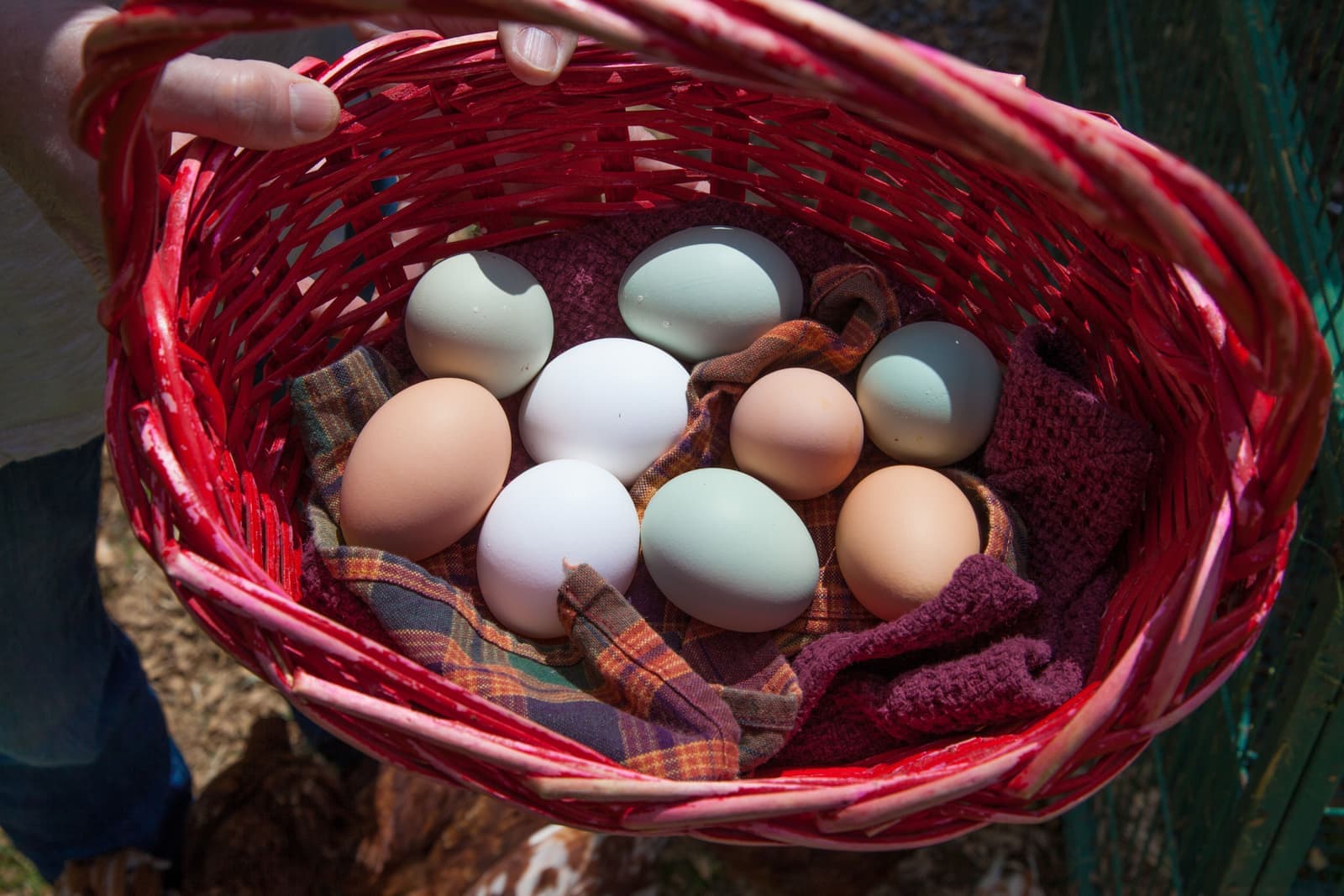
Best roll-out nest box
How a sloped-floor nest box removes egg eating as a possibility, and the level-mounting requirement people miss.
Top pick · Best Nest Box Small 24" Reversible Roll-Out Nest Box
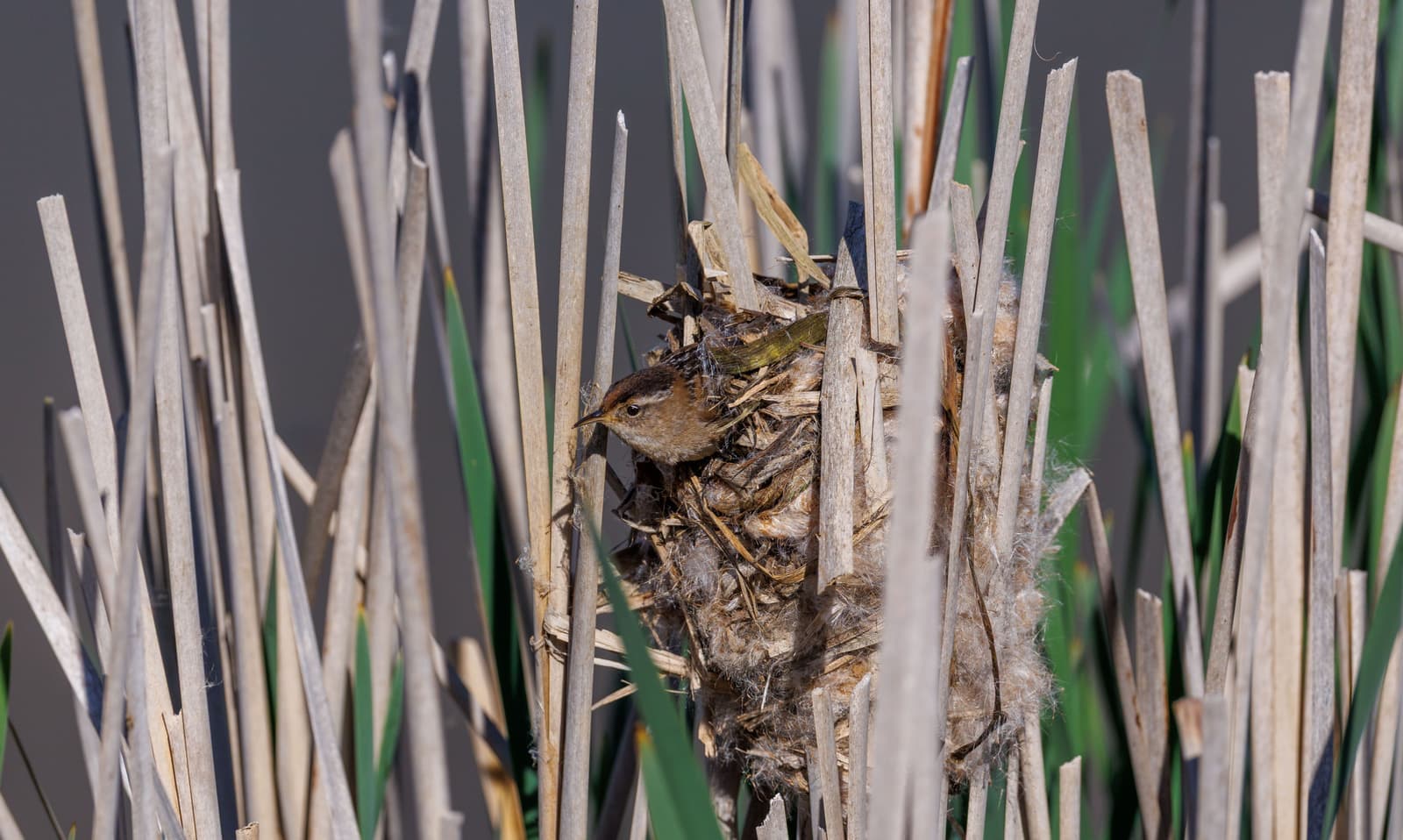
Best nest box pads
Why loose nest bedding fails, what the standard 13-inch pad fits, and the alternatives that work.
Top pick · Precision Pet Chicken Nesting Pads (Excelsior)
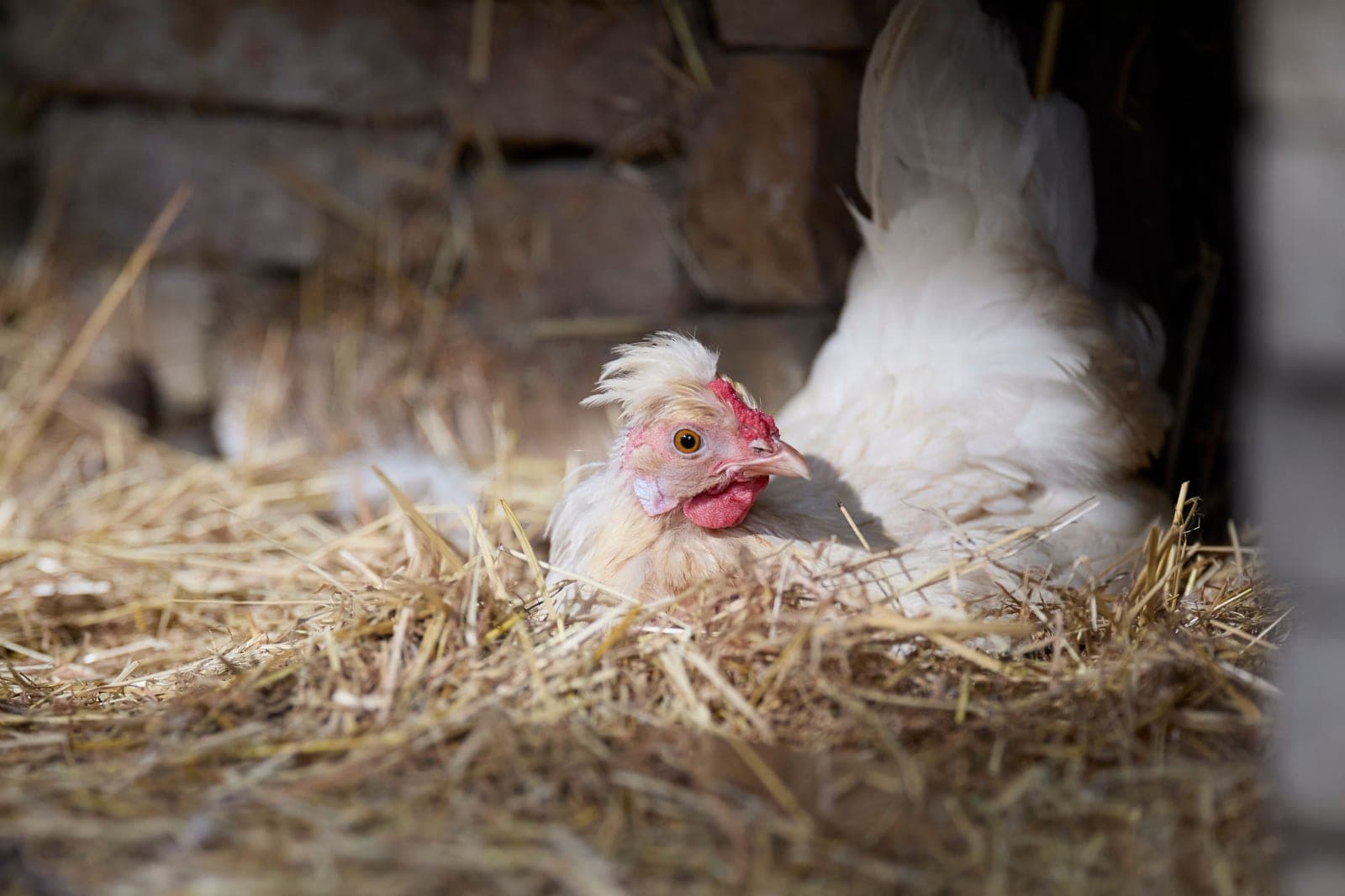
Guide
Box size, count and mounting height — two figures published by extension services and one set by the pad standard.
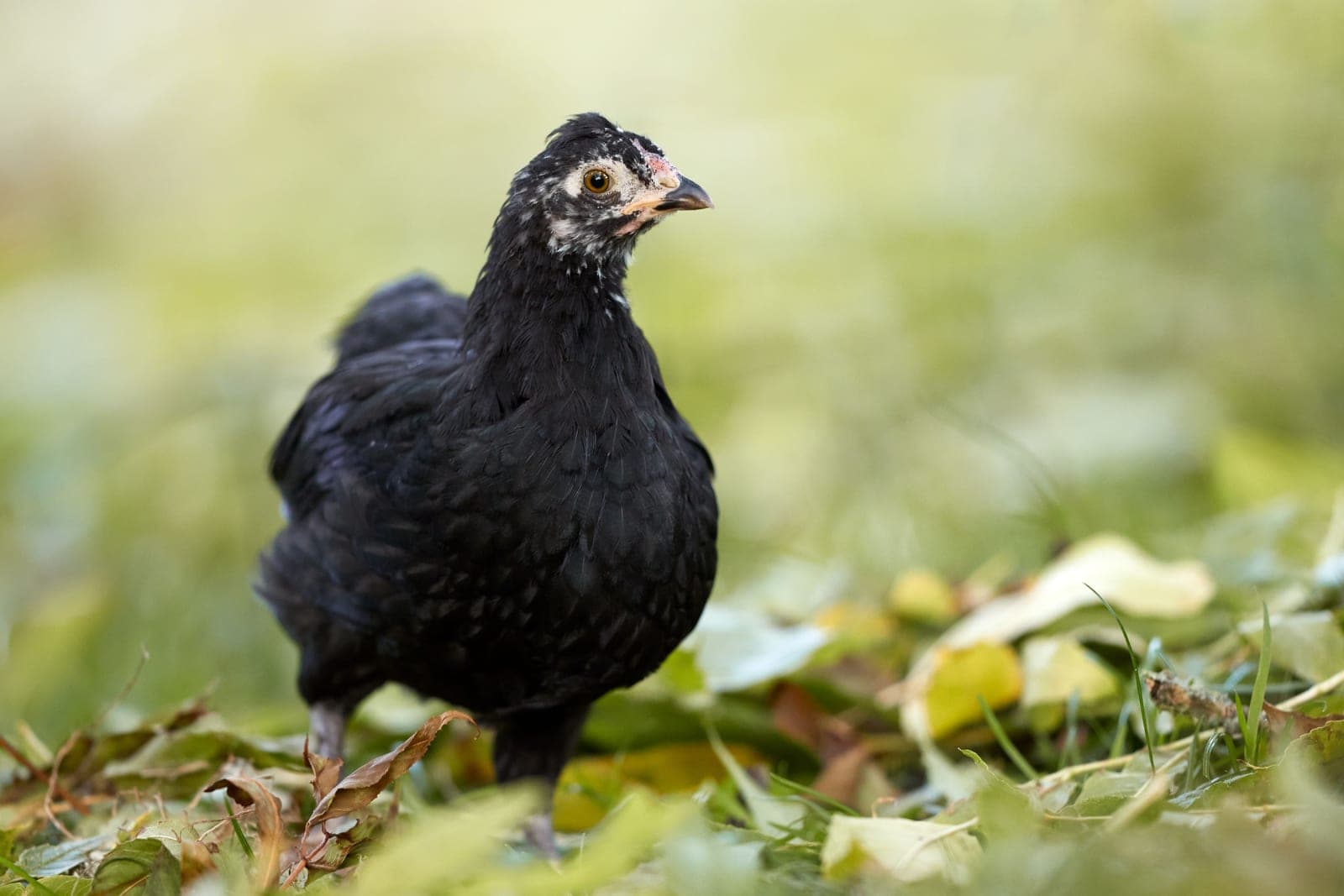
Guide
The 18-to-22-week range, the physical signs that precede the first egg, and what delays it.
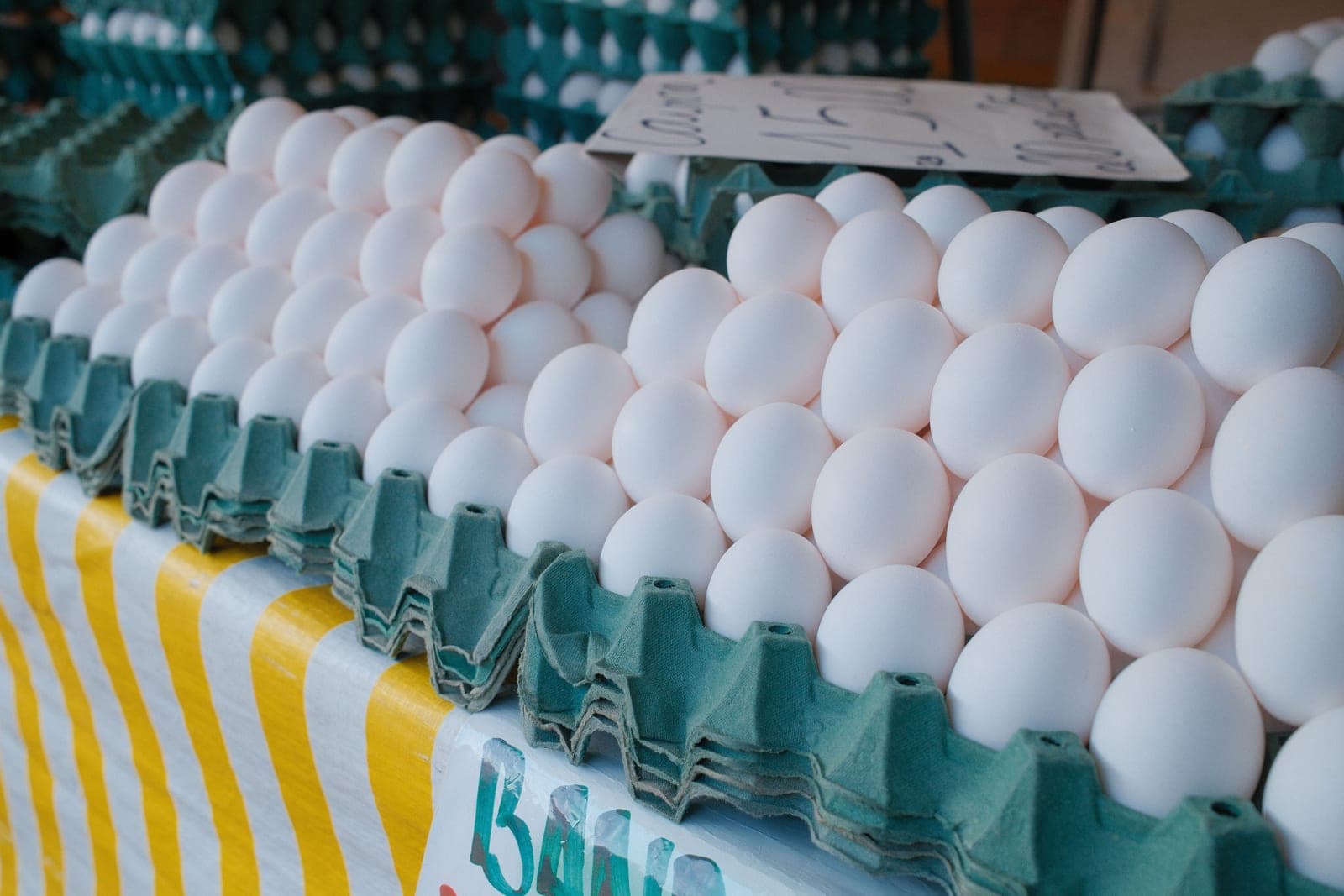
Guide
What the bloom is, why washing commits an egg to the refrigerator, and how to handle a dirty one.

Guide
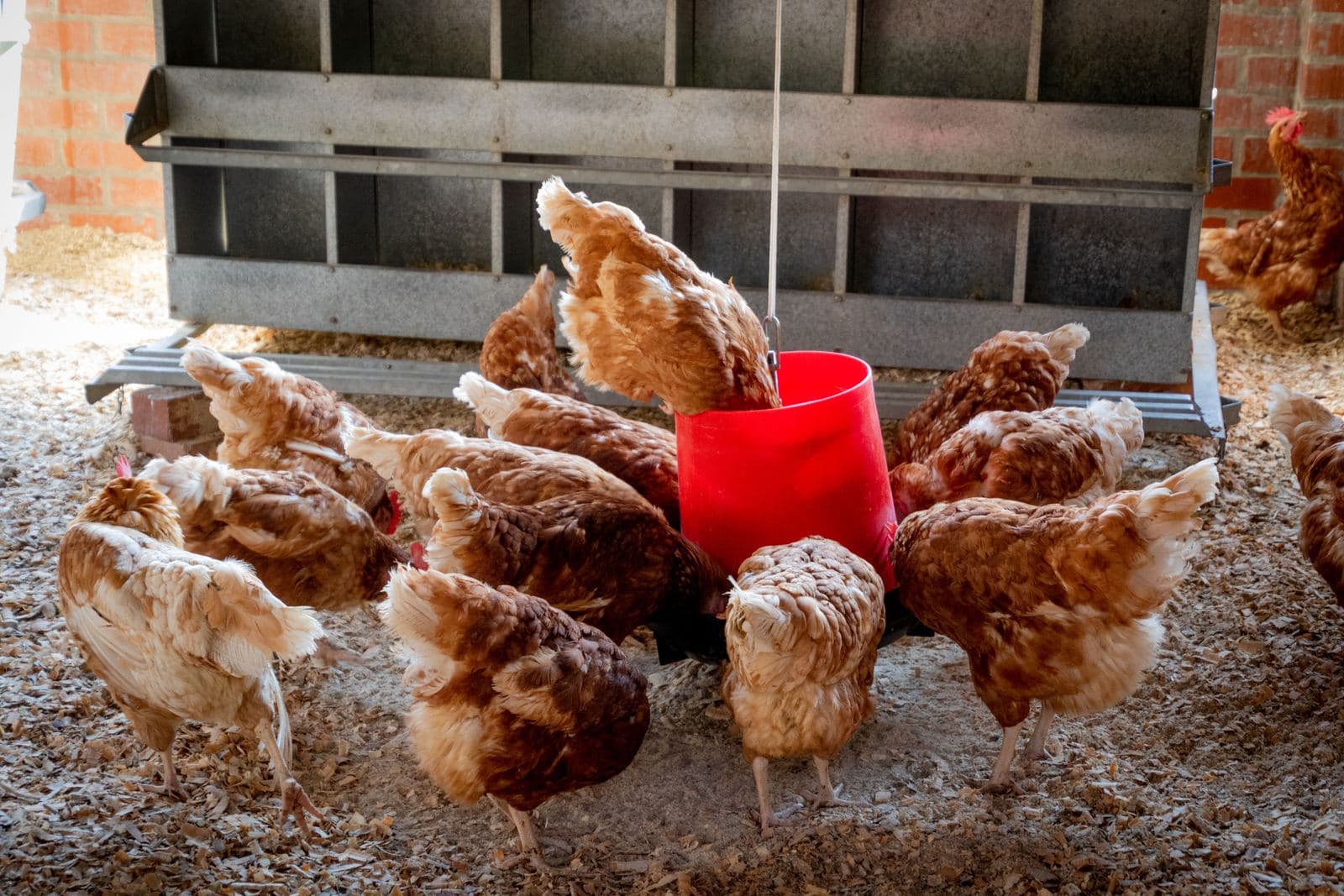
Egg eating starts with breakage. The five published fixes, each with its figure — and why Penn State says to cull a confirmed eater.
Best molt feed
Molt stops the eggs for two to six months. What the published guaranteed analyses say to feed, and why the molt-branded bag is not the obvious answer.
Top pick · Purina Farm to Flock 18% Grower Chick Food, 25 lb
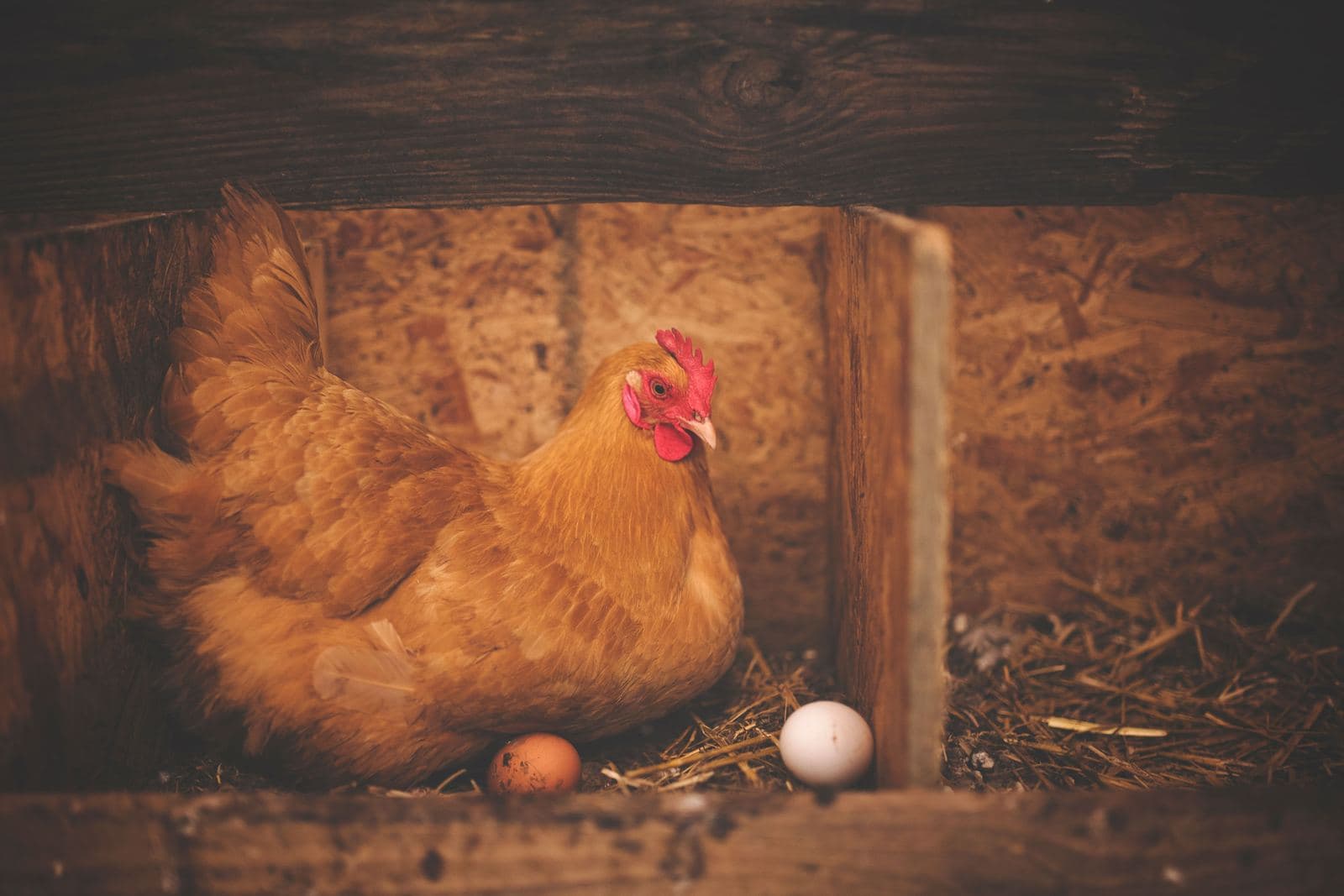
Guide
A broody hen stops laying and guards the nest. The extension method for breaking it, the three levers that caused it, and what the breed registry actually says.
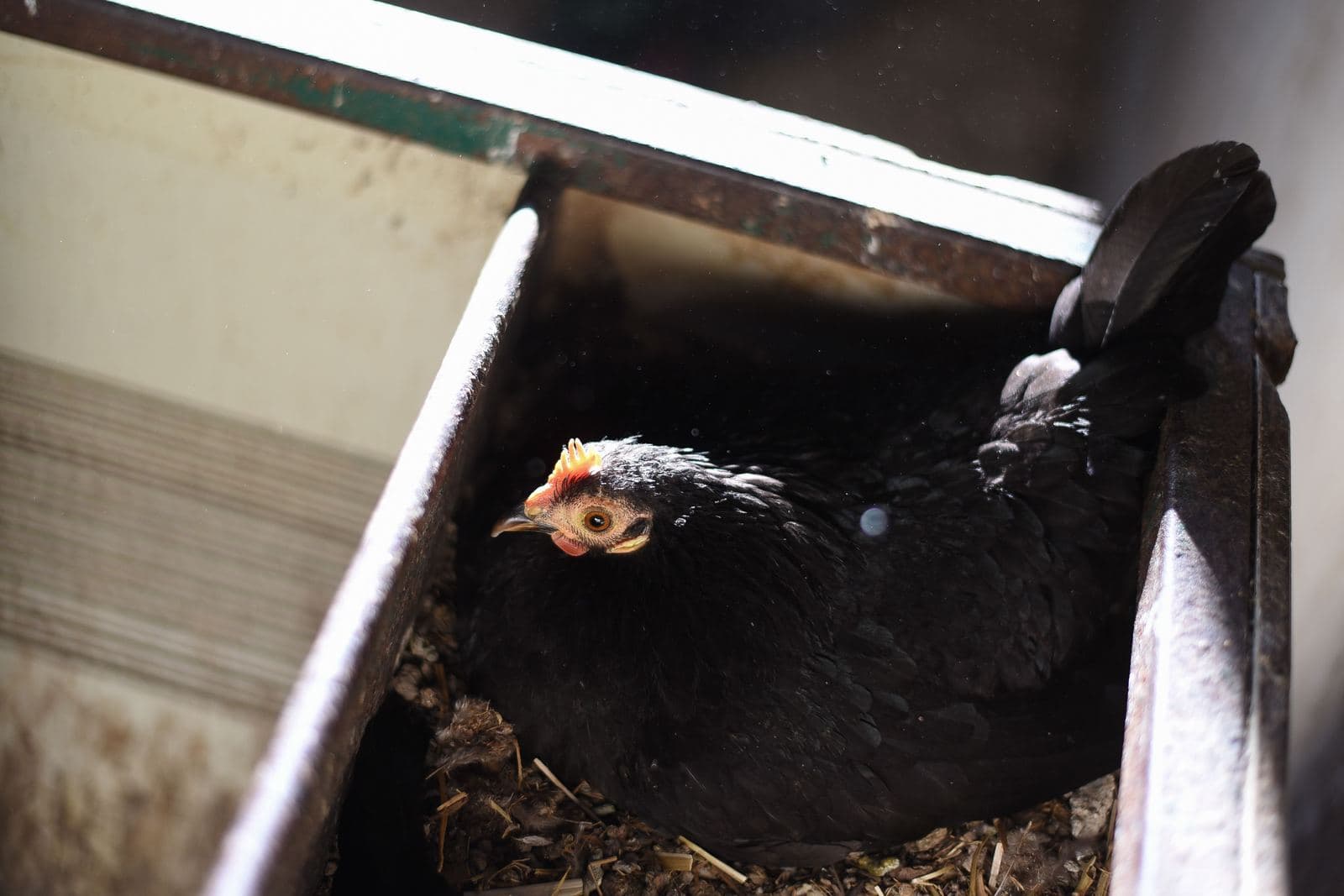
Guide
The published causes in order: day length first, with the 16-hour figure and the 3-watt fix, then molt, broodiness, age, nutrition and mites.
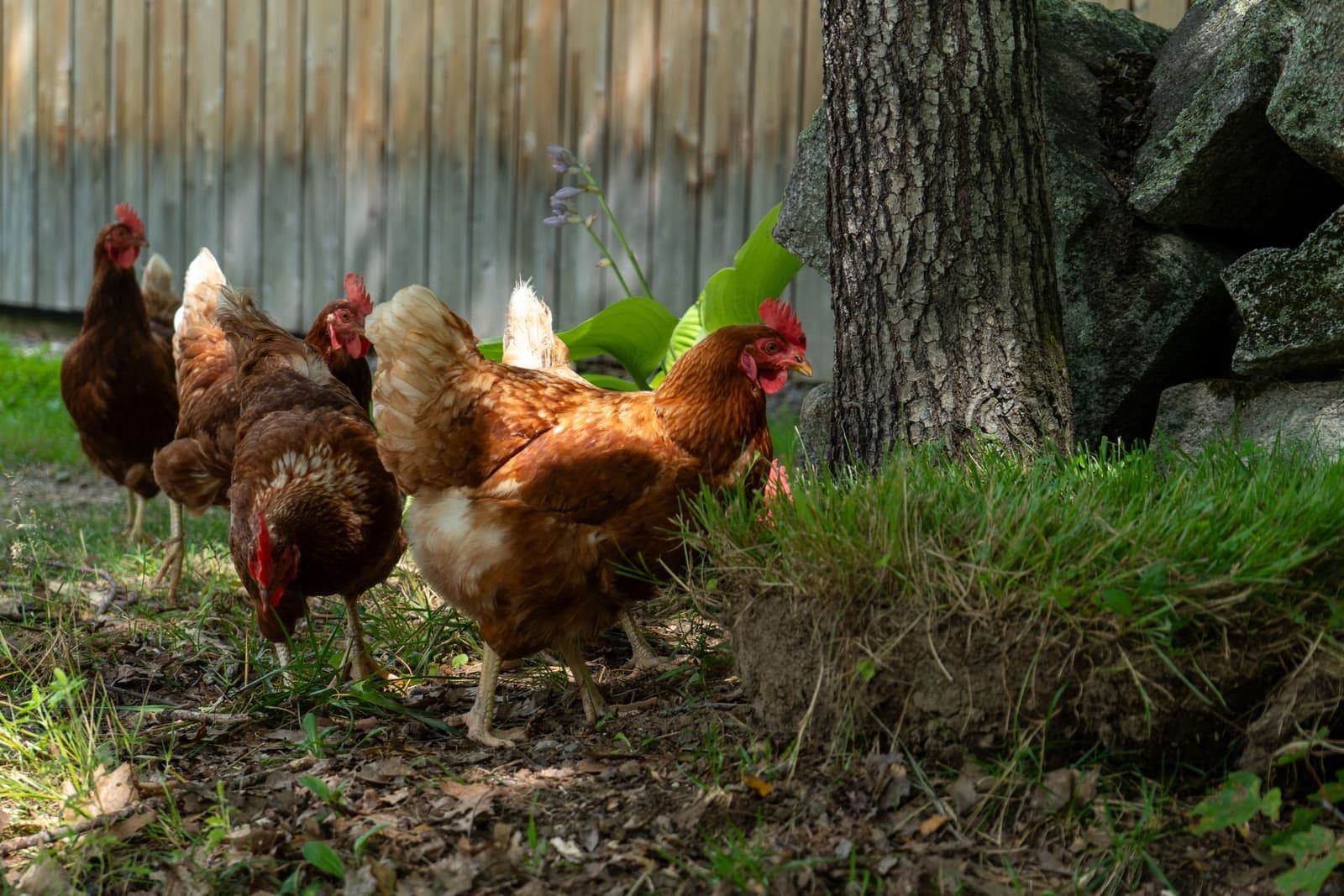
Best chicken leg bands
The band size number is the diameter in sixteenths of an inch, the published breed charts disagree with each other, and four band types compared on what each maker actually publishes.
Top pick · Chicken Hill ZBand Numbered Poultry Leg Bands, 50
Most production breeds begin somewhere between 18 and 22 weeks; heritage and dual-purpose breeds are often later, sometimes 24 to 28 weeks. Day length matters too, so a pullet reaching maturity in late autumn may wait until the days lengthen. The reliable signals are a reddening comb and wattles and squatting when you approach.
Roughly 12 to 14 inches square is the working range for standard breeds, which is why 13-inch nest pads have become the de facto standard fit. University of Maryland Extension publishes one nest per four to five birds, mounted 18 to 20 inches off the floor and placed at ground level at first until pullets get used to them.
Not unless you are about to use them. A freshly laid egg carries a natural coating called the bloom that seals the pores in the shell; washing removes it and the egg then needs refrigeration. Collect daily, brush off anything dry, and wash only what genuinely needs it, immediately before cooking.
Have boxes in place before the first egg, mounted at the published 18 to 20 inches, in the darkest and most private part of the coop. Place a fake egg or a golf ball in each. If a hen has already picked a floor corner, block it off; the habit is easier to prevent than to break.