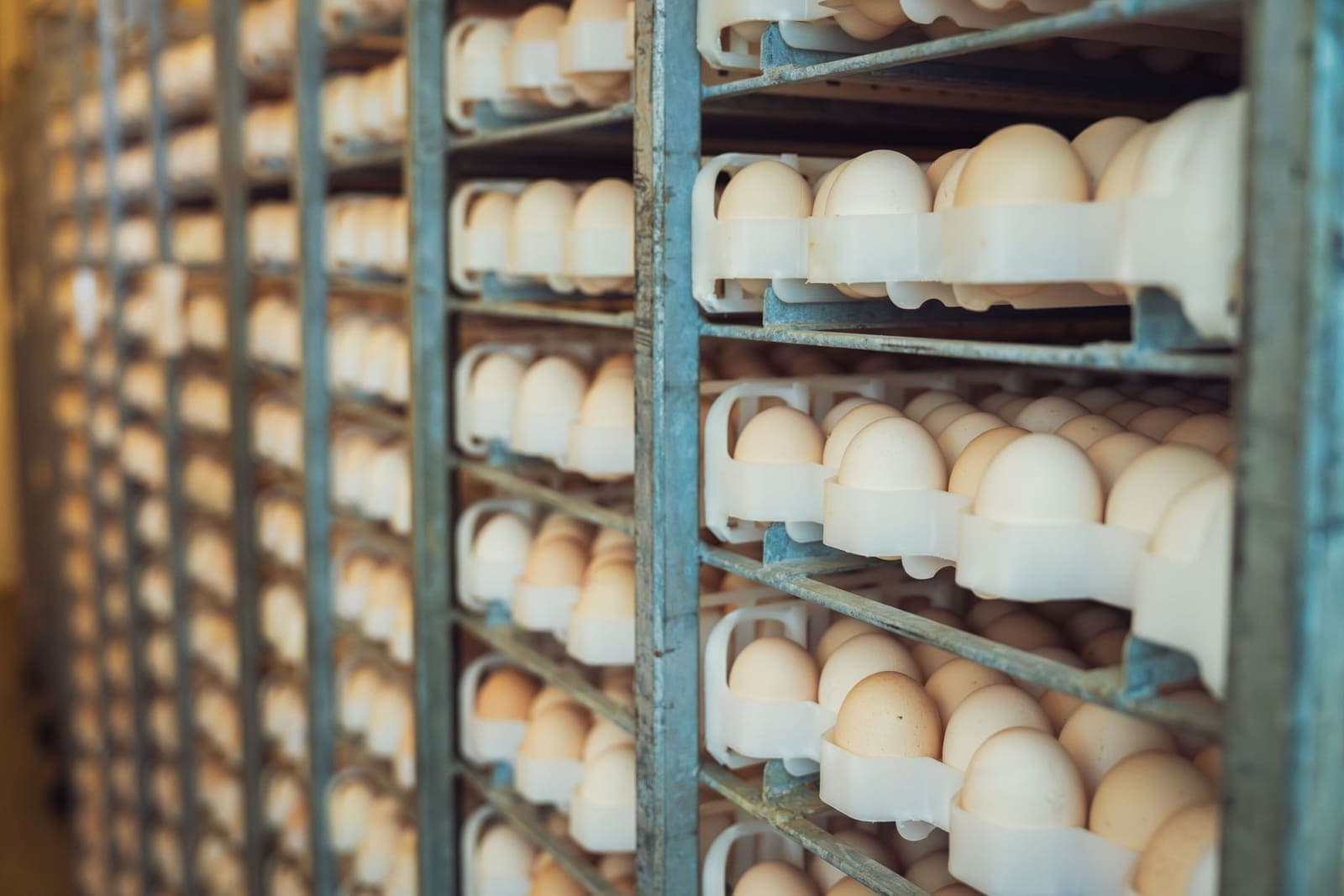
Best incubator for beginners
The best egg incubators for beginners, ranked on what the makers publish
Six incubators on published watts, capacity and turning intervals — and the two makers who publish no specification table at all.
Optional stage — the 21 days before the brooder
Most first-time keepers should buy day-old chicks. If you are going to incubate anyway, these are the published figures — power draw, capacity, temperature and humidity — rather than the folklore.
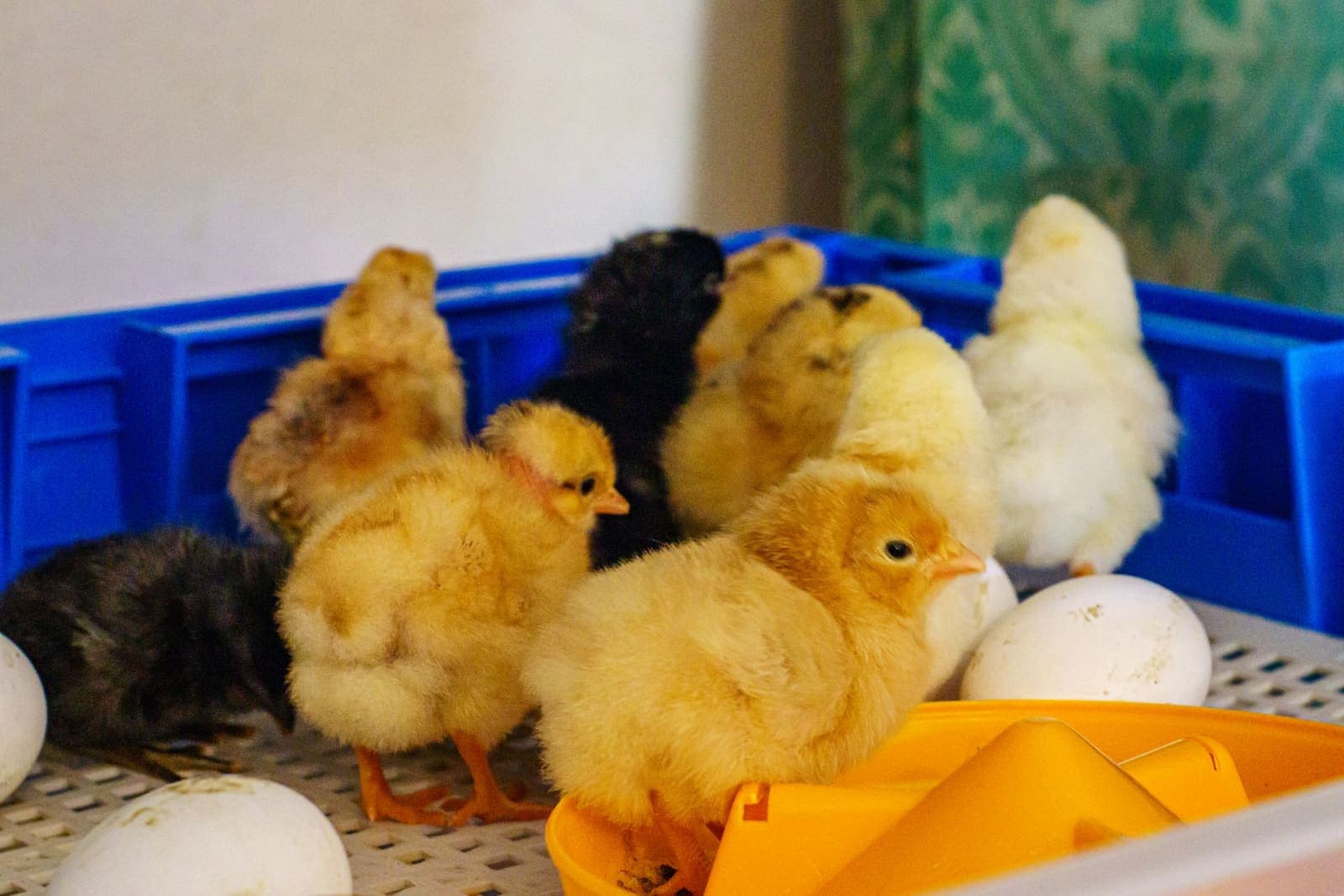
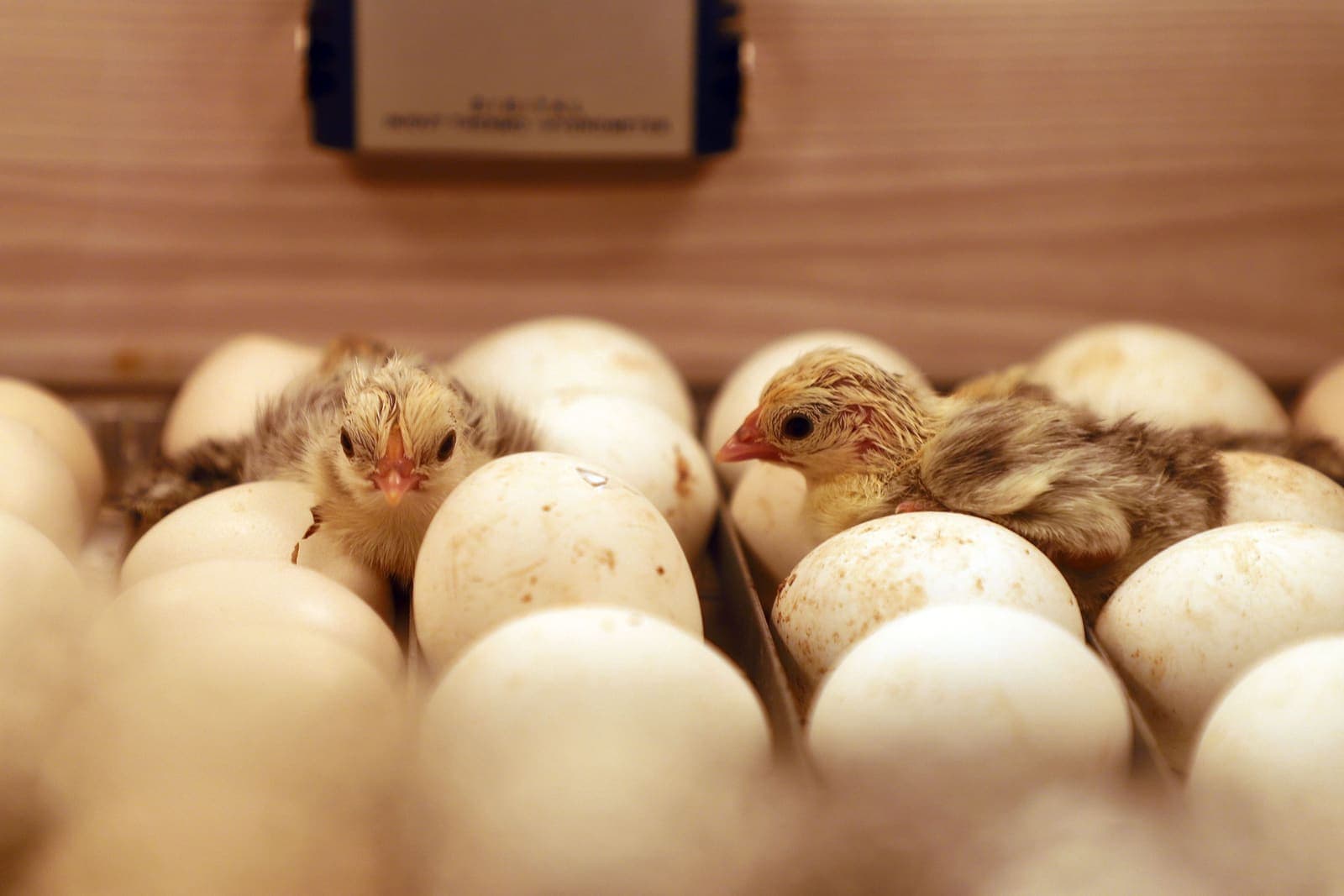
Start with the honest version: most people reading this should not incubate. A first flock is easier, cheaper and far more likely to end well if you buy day-old pullets from a hatchery or a feed store. Sexed pullets mean you get hens. Incubating means roughly half of what hatches is male, and in most towns you cannot keep a rooster. That is not a footnote — it is the single biggest reason first hatches end badly, and it happens on day 21, not on setting day.
This hub exists because plenty of people are going to hatch anyway, and because the published information about it is unusually good in one narrow respect and unusually bad in another. The good part is the biology: extension services publish exact temperatures, humidity ranges, turning frequencies and a day-by-day timeline, and those figures do not vary by brand or opinion. The bad part is the machines: of the six incubators covered here, only one maker publishes a full specification sheet, and two publish no specification table at all.
These come from Mississippi State University Extension, and they are the same whatever machine you buy. If a product manual disagrees with them, the manual is describing that machine’s calibration, not the biology.
| Factor | Published figure | Notes |
|---|---|---|
| Incubation period | 21 days | All chicks out by the end of day 21 |
| Temperature, forced air | 100 F | Held throughout |
| Temperature, still air | 102 F | Measured at the top of the eggs |
| Humidity, setting to day 18 | 58 to 60 percent | 84 to 86 F wet bulb |
| Humidity, last 3 days | 65 percent or more | 89 to 90 F wet bulb |
| Turning | At least 4 to 6 times daily | Stop for the last 3 days |
| Candling | Days 4 to 7, then 14 to 16 | Two checks, not one |
There is one discrepancy worth knowing about rather than glossing over. Mississippi State Extension publishes 100 F for a forced-air incubator. Brinsea ships every machine on this site factory-preset to 99.5 F. Both figures are published, both are defensible, and the half-degree gap sits well inside the variation of where you put the sensor. We are not going to pick a winner for you; the day-by-day guide shows both and tells you which one your machine is already set to.
Three specifications separate incubators, and price is a poor proxy for any of them.
Documentation quality varies more across this category than the hardware does, and it is worth reading before you buy rather than after. The machine most beginners actually buy is the clearest case: our Nurture Right 360 review works through the manual, the species table and the calibration sheet Manna Pro does publish — including a humidity figure that disagrees with the extension standard by ten points, and a turning interval that a retailer listing had wrong.
Egg capacity is the one number every maker publishes, and it is the one most likely to mislead you — not because it is wrong, but because it is a tray count rather than a chick count. Fertility is never 100 percent, not every fertile egg develops, and not every developed egg hatches.
Then halve what is left. Roughly half of any hatch is male. If your ordinance prohibits roosters, and most suburban ones do, a 24-egg machine is a decision to find homes for somewhere around ten cockerels. That is the arithmetic to do on setting day rather than on day 21, and it is the reason how many chickens to start with is worth reading before you buy an incubator rather than after.
The genuinely necessary extras are short: a separate thermometer and hygrometer to check the machine against, because a display that reads 99.5 F is reporting its own sensor rather than the air around the eggs; and a candler, which is a bright focused light you hold against an egg to see whether anything is developing. The Farm Innovators machine includes one; most do not.
Candling is worth understanding before you buy one, because it does two jobs rather than one. Everybody knows the first — finding the clears — and almost nobody does the second, which is reading the air cell against the published reference to check whether your humidity is right. Mississippi State publishes the normal air cell size at days 7, 14 and 18 for exactly that purpose, and it is the feedback loop a first hatch otherwise has no way to close.
What you do not need is a second incubator as a “hatcher,” humidity pumps, or any of the accessories sold alongside these machines for a first hatch. And you do not need a brooder plate until day 21 — but you do need it on day 21, which is sooner than most people plan for. Hatched chicks need heat immediately, and the temperature schedule they need is the same one shipped chicks need.
One last thing that is easy to miss: an incubator is not a substitute for a broody hen deciding to do this herself, and it is not a machine you can leave. Power cuts, a cold garage overnight, a water tray you forgot on day 6 — all of these are recoverable if you notice and terminal if you do not. Alarms are the reason to pay more, not the display.
Heads up: some links on this page are affiliate links. If you buy through one we may earn a commission at no extra cost to you. It never changes a ranking, and we take no payment for placement. The full version.
Best incubator for beginners
Six incubators on published watts, capacity and turning intervals — and the two makers who publish no specification table at all.

Best automatic egg turner
Published turning intervals from every 60 minutes to every 4 hours, when each machine stops turning, and which ones let you change it.
Guide
A 21-day hatch costs roughly one to four dollars in electricity. The full arithmetic, with published wattage and every input shown.
Guide
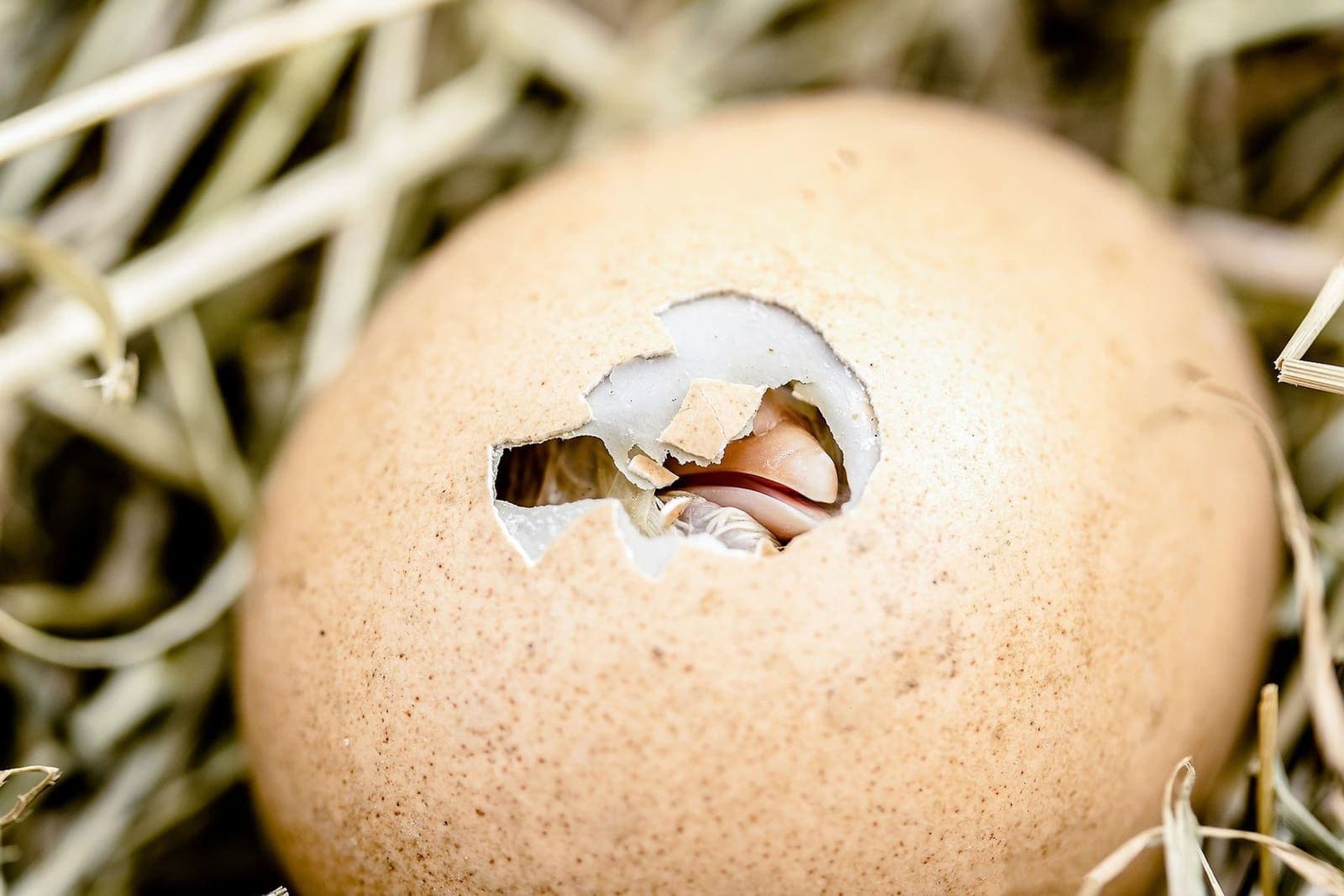
The published 21-day timeline: temperature, humidity, turning and candling figures for each stage, and what has to be ready on day 21.
Guide
Twenty-two eggs, a turner that runs five seconds every hour, a calibratable display, and a published humidity figure that disagrees with Mississippi State by ten points.
Best egg candler
What a fertile egg, a clear and a blood ring actually look like, the air cell as a humidity gauge, and the candler specification nobody prints.
Top pick · Brinsea OvaView High-Intensity Egg Candling Lamp
Buy chicks, for a first flock. Hatcheries and feed stores sell sexed day-old pullets, so you get hens; incubating gives you roughly half cockerels, and most suburban ordinances prohibit roosters. Incubation is a genuinely rewarding second-year project once you already know how to raise chicks and have somewhere for the males to go.
Mississippi State University Extension publishes 100 F throughout for a forced-air incubator, or 102 F for a still-air one, with relative humidity at 58 to 60 percent from setting until three days before hatching, then increased to 65 percent or more for the final three days. Brinsea machines ship factory-preset to 99.5 F, which is a calibration choice inside the same range.
At least four to six times daily through day 18, per Mississippi State University Extension, and then not at all during the last three days before hatching. Automatic turners handle this; published intervals on the machines here range from every 60 minutes to every four hours, and the good ones stop turning by themselves two or three days before hatch.
It depends almost entirely on published wattage, and most makers do not publish a typical figure. A Brinsea Mini II at a published 12 watts typical draws about 6 kWh across a 21-day hatch; a 40-watt machine at its rating draws about 20 kWh. Our running-cost page shows the arithmetic with every input, so you can substitute your own electricity rate.