
Best first-flock kit
Chicken starter kits, and the kit we would build instead
Why packaged starter kits disappoint, and the five-item kit we would assemble instead for a first brood.
Stage 0 — deciding and planning
Most supply lists are alphabetical. This one is chronological, because the chicks arrive on a date and from that date there is an order things have to happen in.
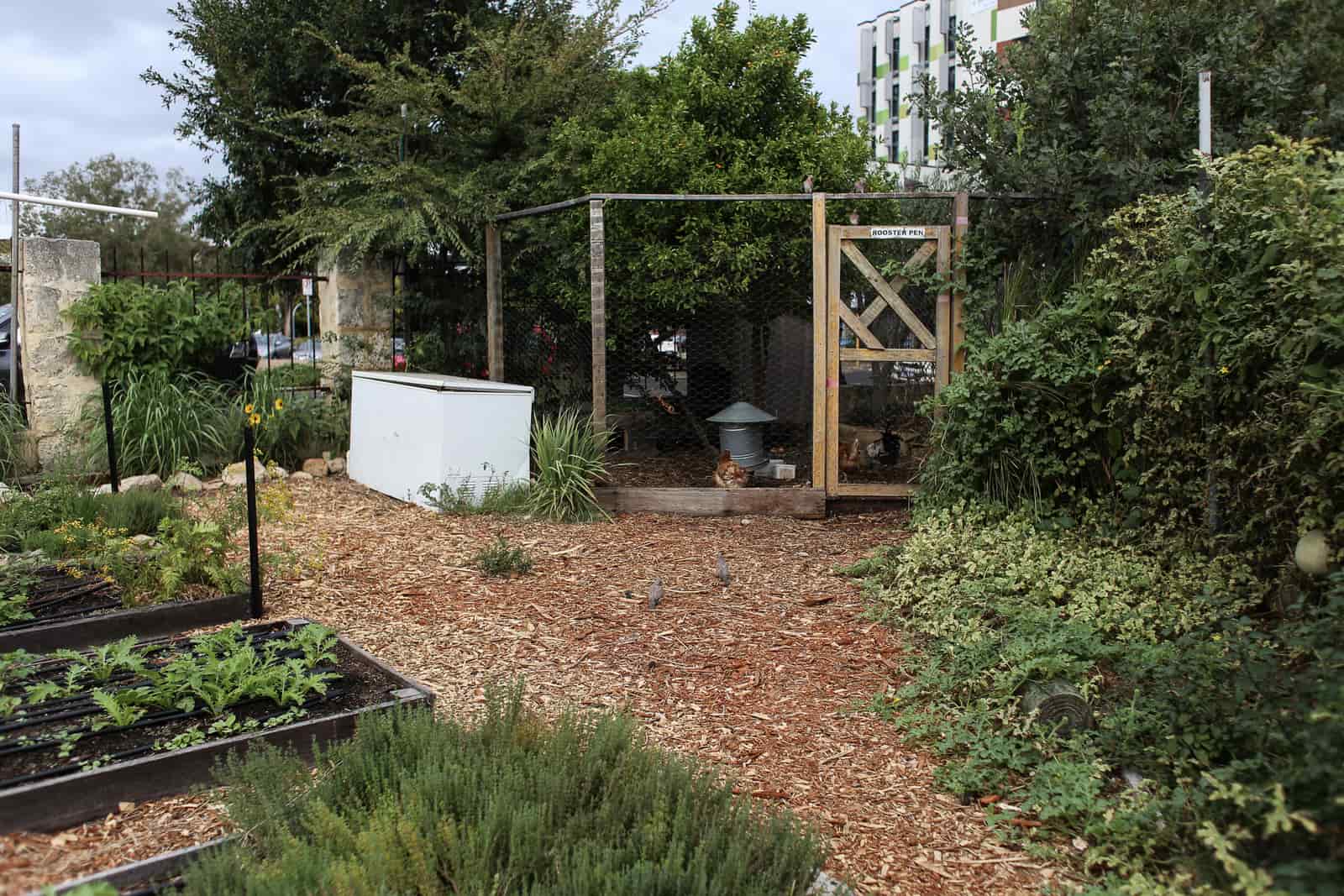
Almost every backyard chicken supply list you will find is organized by category: feeders here, coops there, health supplies in a third list. That is a useful shape for a catalog and a useless shape for a person who has just ordered six chicks for a date three weeks away. What you need to know is not what exists. It is what has to be in the house before the box arrives, what can wait a month, and what you should not buy at all until you know how the birds turn out.
So this site is organized by stage, and this page is the map of all of them. Each stage is a hub, each hub is a point on the timeline, and the header nav runs left to right in the order you hit them.
The whole first year of chicken keeping is four purchases and one ongoing one. Everything else is a refinement of those.
| Stage | When | What you buy |
|---|---|---|
| Brooder | Before the chicks arrive, weeks 0-6 | Heat plate, chick feeder and drinker, starter feed, thermometer, bedding, a box |
| Coop | Ordered by week 3, in place by week 5 | Coop and run, hardware cloth, bedding, and an automatic door if you want one |
| Feeding | From the move outside, then forever | Adult feeder, waterer, feed storage, grit |
| Laying | Week 16 onward | Nest boxes, nest pads, oyster shell, somewhere to put the eggs |
| Health | Before you need it, not after | A first aid kit, a dust bath, and a plan for winter water |
The single most common sequencing mistake is buying the coop first, because it is the exciting purchase. It is also the one you have the most time to get right — chicks do not go outside until they are fully feathered at around six weeks, so you have well over a month after they arrive to order and build it. Meanwhile the brooder gear has to be set up and warmed through before the box arrives, because day-old chicks cannot wait while you drive to a farm store.
One thing this timeline assumes: that you are buying day-old chicks rather than hatching your own, which is what we would advise for a first flock. Hatcheries and feed stores sell sexed pullets, so you get hens; incubating gives you roughly half cockerels, and most suburban ordinances prohibit roosters. If you are set on hatching anyway, the hatching stage adds 21 days to the front of everything above and has its own published temperature and humidity figures.
The cost of a first flock is front-loaded and lumpy: a coop is the large one-time expense, and everything after it is small and recurring. What surprises people is the running cost of the brooder, because it is invisible until the electricity bill arrives — and it is entirely determined by which heat source you pick.
Flock size decides coop size, and coop size decides most of the budget, so it is the first real decision. Chickens are social and three is the practical floor; six is the number most suburban keepers land on, because it survives losing one and it still fits a garden. Which birds is the easier question, and it comes second: the beginner breed comparison sets eight breeds side by side on the egg figures and standard weights their registry publishes, and says plainly where no figure is published at all.
The space figures are published and you should hold makers to them. For laying hens, poultry.extension.org publishes 3 to 4 square feet per hen indoors and 10 square feet outdoors. Oregon State University Extension publishes at least 3 square feet per bird where there is run access, rising to 8 to 10 square feet where there is not. University of Maryland Extension publishes 6 to 10 inches of perch space per bird and one nest box for every four to five birds.
Those numbers matter because coop capacity claims routinely do not survive them. A popular six-hen plastic coop publishes an interior of 34 by 33 inches, which is 7.79 square feet, which is 1.30 square feet a bird — around a third of the extension figure. That is not necessarily a scandal, because the design assumes a permanently open attached run and the birds are only inside to sleep. But it does mean the coop you buy for six birds houses four if they are ever shut in, and nobody selling it is going to tell you that. Doing the division yourself is the whole point of the coop size page.
A short list, because the money saved here pays for better versions of the things that matter:
It usually arrives about a month in, with a holiday booked: how long can you actually leave them? Two to three days is comfortable with ordinary equipment, a week needs planning, and beyond that you need a person rather than more gear. The figure that decides it is not the one people expect — Mississippi State Extension publishes that a bird survives weeks without feed and only a few days without water, and water is also the thing that fouls, freezes and runs out while nobody is watching.
That is worth knowing before you buy, because it changes what you buy: capacity on the water side, a feeder that closes rather than one that simply holds a lot, and an automatic door — the one job that does not scale with how big a container you bought.
Heads up: some links on this page are affiliate links. If you buy through one we may earn a commission at no extra cost to you. It never changes a ranking, and we take no payment for placement. The full version.
Best first-flock kit
Why packaged starter kits disappoint, and the five-item kit we would assemble instead for a first brood.

Guide
The cost structure of a first flock, with the electricity arithmetic shown in full so you can compute your own.
Guide
Three is the practical floor, six is where most keepers land — with the published space figures that turn a bird count into a coop size.
Guide
The whole eight-week schedule in one table — temperature, space, feeder and waterer allowance, and what changes each week.
Guide
The first-year mistakes that cost money, and the two that cost birds — with the published figure that prevents each.
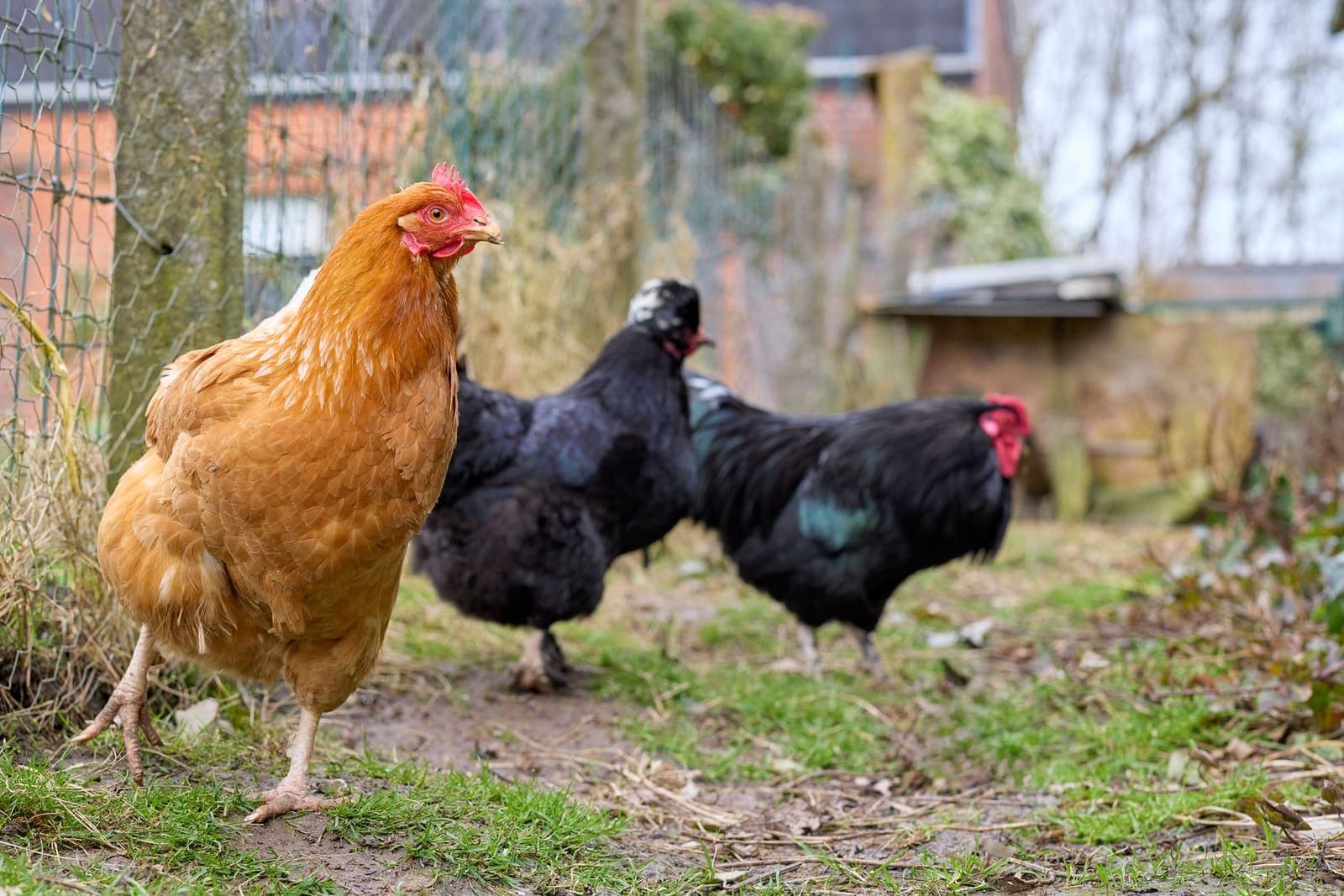
Guide
Eight beginner breeds compared on published egg figures, standard weights and the registry's own temperament wording — including where no figure is published at all.
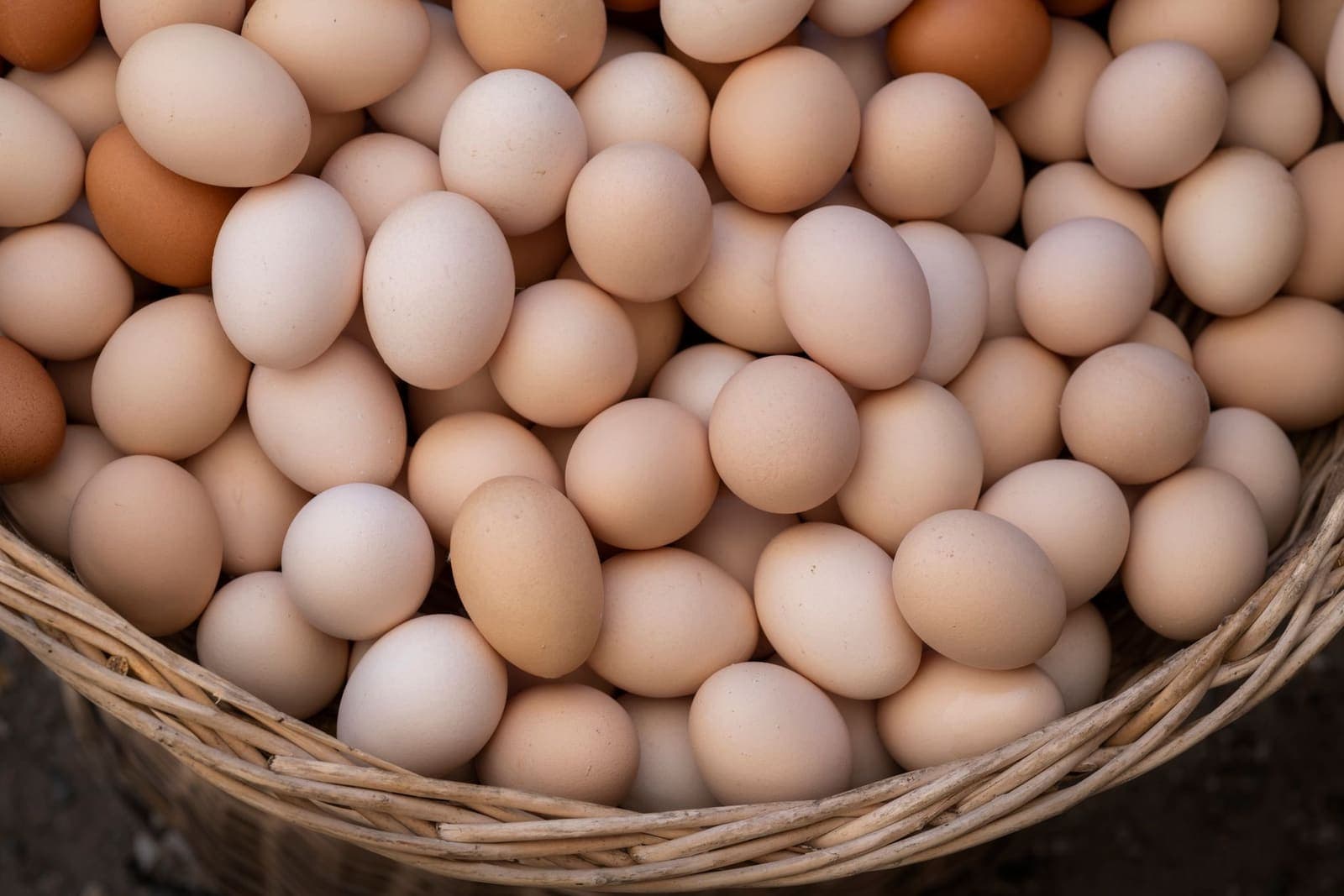
Guide
Six breeds ranked on the floor of their published annual egg range — and the two popular breeds whose registry publishes no figure at all.
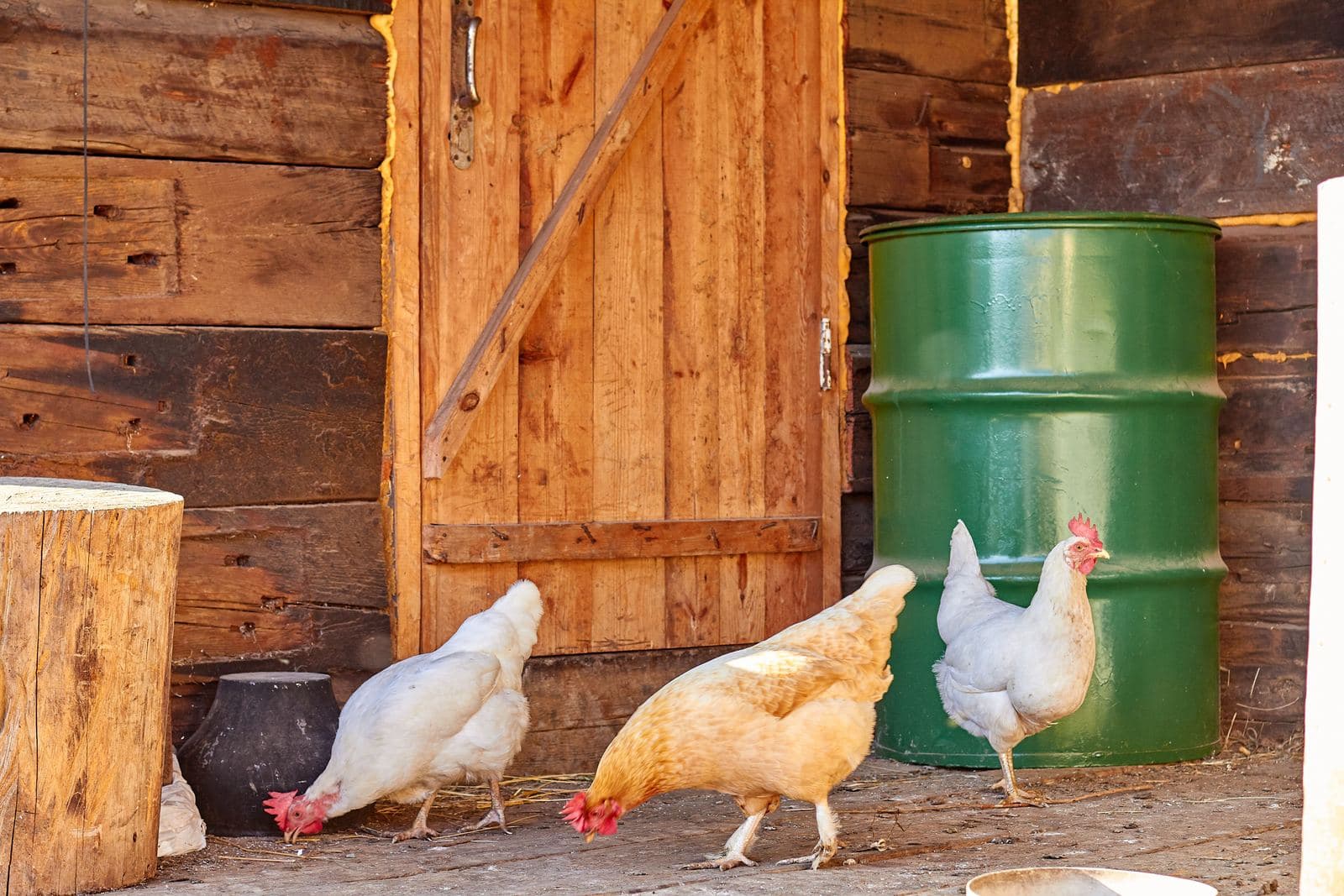
Guide
The published figures on how long birds last without feed and water, the capacity arithmetic for your flock, and the honest limit where gear stops and a person starts.
Before the chicks arrive: a brooder box, a heat plate, a chick feeder and drinker, starter feed, bedding and a thermometer. By week four: a coop, a run, half-inch hardware cloth and adult feeder and waterer. By week sixteen: nest boxes and oyster shell. The health kit should be bought before you need it rather than after.
Three is the practical minimum because chickens are social and a single bird does badly. Most suburban keepers settle on four to six: enough eggs for a household, enough birds that losing one does not leave a solitary chicken, and small enough to fit a garden coop and the space figures published by extension services.
The recurring costs are feed, bedding and, in winter, electricity for a heated waterer. Feed dominates. Because prices change constantly, we do not publish a monthly dollar figure we cannot verify on the day you read it, but we do publish the electrical arithmetic with its inputs so you can compute your own share of it.
No. Day-old chicks need 95 F at chick level, dropping 5 F a week, and they are not fully feathered until roughly six weeks. They move outside when they are feathered and the coop temperature is close to what the brooder had reached, which for most people means week five or six.