Predator-proofing: one material, one apron, and one legal fact
Most of this comes down to a decision at a hardware store. The rest is a strip of mesh on the ground and knowing what you are not allowed to do about hawks.
Use half-inch hardware cloth in 19 gauge, not chicken wire, on every opening including vents and windows. Lay an 18 to 24 inch apron of the same mesh flat on the ground around the perimeter. Use two-step latches a raccoon cannot operate. Close the pop door every night.
The material decision
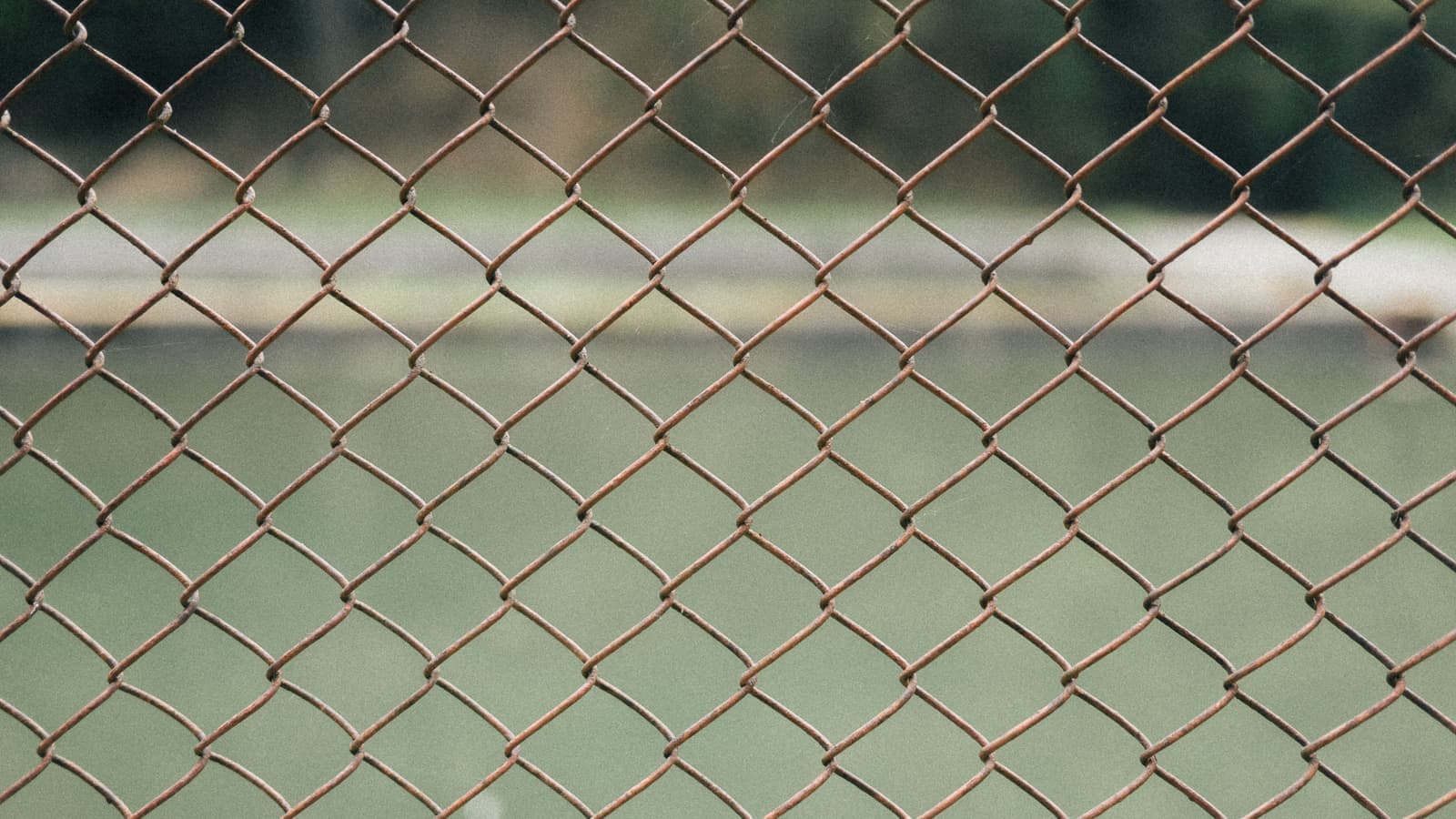
Chicken wire is a light twisted hexagonal mesh with openings around two inches across. It was designed to keep chickens contained in a field, and at that job it is excellent. It is not a barrier:
A raccoon reaches through a two-inch opening. It does not need to get in.
A weasel passes through an opening much smaller than that, entirely.
A determined dog goes through the wire itself, which is thin and twisted rather than welded.
Half-inch hardware cloth in 19 gauge is welded, galvanized, and has openings small enough to exclude a weasel and to stop a raccoon reaching a bird. Look for galvanized-after-weld where you can get it: the finished mesh is dipped in zinc so the welds are sealed too, and welds are where untreated mesh rusts first.
It costs more. That price difference is exactly why this is the most common serious mistake in backyard chicken keeping, and why it is worth stating this bluntly.
The apron, and why you do not need to dig
Foxes, dogs and raccoons dig at the base of a run — including the prefabricated ones, none of which publishes a mesh gauge, as the chicken run roundup sets out. The standard advice is to bury mesh a foot down, which is hard work in most soil and unnecessary.
Instead lay an apron: an 18 to 24 inch strip of the same hardware cloth flat on the ground, extending outward from the base of the run, pinned down with landscape staples and allowed to grass over. A digging animal starts at the base of the fence, hits mesh, and does not think to back up two feet and start again. It is one of the few pieces of common advice that is both simpler and more effective than the alternative.
The openings people forget
Vents. A coop needs ventilation, and every vent is an opening. Cover them all with hardware cloth. See ventilation versus draft for how much you need.
Windows. Same, including ones that are usually closed.
The gap under the coop. A raised coop with an open underside is an invitation to anything that wants somewhere dry to live next to a food source.
The nest box lid. External access nest boxes are convenient for you and for a raccoon. Latch it.
Every latch. Raccoons have hands and are genuinely good at simple catches. A barrel bolt is a puzzle a raccoon solves. Use a two-step latch, a spring clip through a hasp, or a carabiner.
Hawks: what the law actually says
This is where forum advice most often goes badly wrong, so we will be precise and cite the sources.
Hawks, along with almost every other native bird, are protected under the Migratory Bird Treaty Act. The U.S. Fish and Wildlife Service states that the MBTA prohibits “the take (including killing, capturing, selling, trading, and transport) of protected migratory bird species without prior authorization by the Department of Interior U.S. Fish and Wildlife Service.”
A federal depredation permit exists, and its terms matter. Per APHIS, capture or killing cannot be the primary method used and will only be authorized in conjunction with ongoing non-lethal measures. Applicants must document attempts to apply non-lethal measures such as scare devices or habitat modification before applying, and applications require a recommendation from USDA APHIS Wildlife Services. Some states require an additional permit of their own.
The practical consequence for a backyard keeper is simple: shooting a hawk is a federal offense, and the legal route is a permit process that requires you to have already been doing the non-lethal things. This page is not legal advice, and state law adds further restrictions — check yours. Keeping hawks away covers the non-lethal side properly: which netting mesh does what, why nothing sold as a deterrent has published support, and how to tell a raptor loss from a raccoon one.
The non-lethal things also happen to work. Overhead cover is the answer: netting or wire over the run, or shade structures, bushes and a covered area birds can get under. A hawk needs a clear approach and a clear exit. Remove either and your flock stops being convenient.
Heads up: some links on this page are affiliate links. If you buy through one we may earn a commission at no extra cost to you. It never changes a ranking, and we take no payment for placement. The full version.
The picks
What actually keeps things out
The mesh that does the work, and the doors that close the pop hole every night whether or not you are home.
Score8.1no photo yet
Galvanized hardware cloth
1/2 in mesh, 19 gauge
1/2 in mesh, 19 ga
Best for: The only mesh that actually excludes predators
Half-inch welded mesh in 19 gauge steel — not chicken wire, which keeps chickens in and keeps nothing out, and is the single most expensive mistake a first-time keeper makes.
#ad We have no verified Amazon listing for this one, so no number is shown. How this is funded.
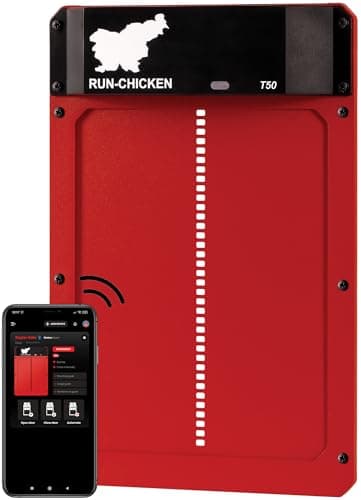
Run-Chicken
Model T50 Automatic Coop Door
8 x 10 in opening
Best for: An aluminum door on two AA batteries
An aluminum, powder-coated door that runs a published year on two AA cells and reverses itself when it meets resistance — the whole unit, not an opener bolted to a door you supply.
The only door here that publishes an IP rating and a tested temperature range at both ends, with a WiFi app that answers the question every keeper asks at 10 p.m.: did it actually shut?
No. Chicken wire is a light twisted mesh with roughly two-inch openings designed to contain chickens, not exclude predators. A raccoon can reach through it, a weasel can pass through it entirely, and a determined dog can go through the wire itself. Half-inch hardware cloth in 19 gauge is the material that works.
+Do I need to bury hardware cloth around a chicken run?
No. Lay an apron instead: an 18 to 24 inch strip of hardware cloth flat on the ground extending outward from the base of the run, pinned with landscape staples and allowed to grass over. A digging animal starts at the fence line, hits mesh and gives up rather than backing off two feet to start again.
+Can I shoot a hawk that is killing my chickens?
No. Hawks are protected under the Migratory Bird Treaty Act, which the U.S. Fish and Wildlife Service states prohibits take without prior authorization. Federal depredation permits exist but are only authorized alongside ongoing non-lethal measures and require documented non-lethal attempts first. Some states require an additional permit. This is not legal advice — check your state rules.
+How do I protect chickens from hawks?
Overhead cover, which is both the legal answer and the effective one. Netting or wire over the run, or a covered area with bushes and structures the birds can get under. A hawk needs a clear approach and a clear exit; remove either and the flock stops being an easy target.
Where the numbers came from
Sources
Every figure cited on this page came from one of these documents. If one of them has changed since we read it, the number here is out of date and we would like to know.
Mobile coops and tractors on published dimensions, the combined indoor-plus-run allowance they are sold against, and the wheel kit that converts the coop you already own.
Electric netting compared on published strand count and post spacing, with the joule rule for sizing an energizer and what netting does not protect against.