What it costs to start, and what it costs every month after
We will not invent a total for you, because prices move and a made-up number is worse than no number. What we will do is show you the structure and the arithmetic.
Starting a flock is one large cost (the coop), a handful of small one-time costs (brooder gear, feeders, nest boxes) and two recurring ones (feed and bedding). In winter, electricity for a heated waterer joins the recurring list — and that is the only recurring cost we can compute exactly, because wattage is published and the national electricity rate is too.
Every other “cost to raise chickens” article opens with a dollar total. We are not going to, and the reason is worth one paragraph. Feed prices, coop prices and bedding prices vary by region, by season and by retailer, and any total we printed today would be wrong by the time you read it. Publishing a number we cannot verify on the day you see it is the same failure as inventing one. What we can do is give you the shape of the spend and the pieces of arithmetic that are genuinely computable.
The shape of the spend
Cost structure for a first flock of six birds.
Cost
One-time or recurring
What drives it
Coop and run
One-time, and the largest by far
Flock size, and whether you build or buy
Predator hardware
One-time
Run perimeter; half-inch hardware cloth by the roll
Brooder gear
One-time
Heat plate, thermometer, chick feeder and drinker
Adult feeder and waterer
One-time
Flock size; published birds-per-nipple and days-of-feed figures
Nest boxes
One-time
One per 4 to 5 birds (UMD Extension)
Feed
Recurring, the dominant one
Roughly a third of a pound per bird per day
Bedding
Recurring
Coop floor area and your cleaning method
Electricity
Recurring, winter and brooding only
Published wattage of your heat source
Automatic door
Optional one-time
Whether you want to be home at dusk every day
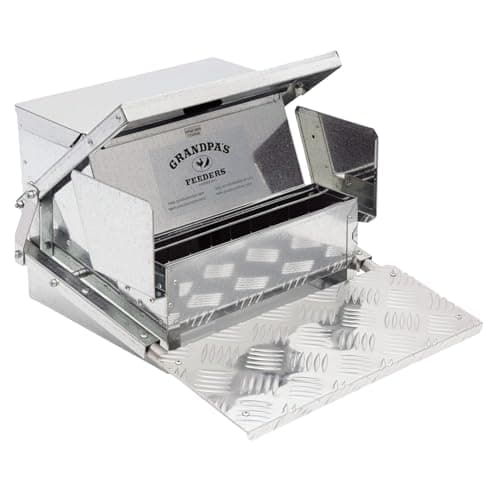
The feed figure is not ours. It falls out of Grandpa’s Feeders’ own published rating: 20 lb feeds six chickens for ten days, and 40 lb feeds twelve chickens for ten days. Both work out to about a third of a pound per bird per day, and two independent product ratings agreeing is a better basis than a number somebody remembered.
The part that is exactly computable
Electricity is the one line item where every input is published, so it is the one we can give you to the cent. Two moments in the year use power: the six-week brood, and the winter water problem. (Three, if you hatch your own — a 21-day incubation adds between about $1.11 and $3.70 on the same arithmetic.)
Add a 200 W coop panel heater and the ceiling for a 90-day winter is another $79.23, which more than triples your annual electricity for the flock. That is the concrete reason we argue against coop heaters for healthy adult birds in a ventilated coop.
Where first-time keepers overspend
Buying the coop first and biggest. It is the exciting purchase and the one with the most time available. Order it in week three of the brood, once you know how many birds you actually have.
Replacing the cheap feeder. A basic feeder plus a rodent problem plus a treadle feeder six months later costs more than the treadle feeder did. The rodent problem is predictable.
Buying supplements early. Oyster shell bought at week one sits in a bag for four months and does nothing for a growing bird except harm if it gets into the feed.
Chicken wire, then hardware cloth. Buying the wrong mesh and then the right one is the most expensive way to arrive at half-inch hardware cloth.
Do the eggs pay for it?
Over a first year, almost certainly not, and it is worth being honest about that before you start rather than after. The coop is a capital cost that has to be amortized across years, and six hens laying well produce something on the order of two dozen eggs a week in season and considerably fewer in winter and during a moult. Over several years, with a coop already paid for, the recurring feed cost against retail egg prices gets a great deal closer. People keep chickens for other reasons too, and that is fine — just do not start on the assumption that year one breaks even.
Heads up: some links on this page are affiliate links. If you buy through one we may earn a commission at no extra cost to you. It never changes a ranking, and we take no payment for placement. The full version.
The picks
What we would buy
Brinsea
EcoGlow Safety 600
12 W
Best for: A first brood of a dozen or fewer
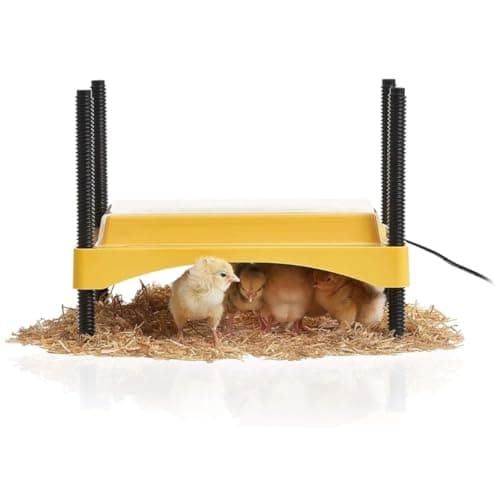
Twelve watts and a metal warming plate, which is the lowest published draw of any brooder plate we found and the reason it costs about two dollars to run a whole six-week brood.
A galvanized treadle feeder that publishes exactly what it does — 20 pounds, six chickens, ten days, three to four birds eating at once — and a two-week training schedule that tells you it will not work on day one.
A food-grade HDPE drum with a threaded double-gasket lid that swallows a whole 40 lb sack — the container that ends the rodent argument by removing the smell rather than the rodents.
#ad We have no verified Amazon listing for this one, so no number is shown. How this is funded.
FAQ
Questions people actually ask
+How much does it cost to raise chickens per month?
The recurring costs are feed, bedding and winter electricity. Feed dominates and runs at roughly a third of a pound per bird per day, derived from published feeder ratings. We do not publish a monthly dollar total because feed and bedding prices vary by region and season, and a figure we cannot verify on the day you read it would be worse than none.
+How much does it cost to start raising chickens?
The coop is the dominant one-time cost and everything else is small by comparison: brooder gear, an adult feeder and waterer, nest boxes and predator hardware. The single largest saving available is ordering the coop in week three of the brood rather than first, so you buy for the flock you actually have.
+How much electricity does a brooder use?
A 12 W brooder plate run continuously for a six-week brood uses 12.1 kWh, which is $2.22 at the US average residential rate of 18.34 cents per kWh for June 2026. A 250 W heat lamp over the same period uses 252 kWh, or $46.22. That difference is the strongest single argument for a plate.
+Do backyard chickens save money on eggs?
Not in the first year, because the coop is a capital cost spread across a single season. Over several years, with the coop already paid for, the comparison between recurring feed cost and retail egg prices gets much closer. Most people who keep chickens long term are not doing it purely on the arithmetic.
Where the numbers came from
Sources
Every figure cited on this page came from one of these documents. If one of them has changed since we read it, the number here is out of date and we would like to know.