
Best heat plate
The best brooder heat plates, compared on what the makers publish
Six brooder plates on published wattage, capacity and leg adjustment, with the running cost of each computed for a full brood.
Stage 1 — weeks 0 to 6
This is the stage where getting it wrong costs you birds, and it is also the stage with the fewest decisions. Heat, feed, water, a number to aim at.
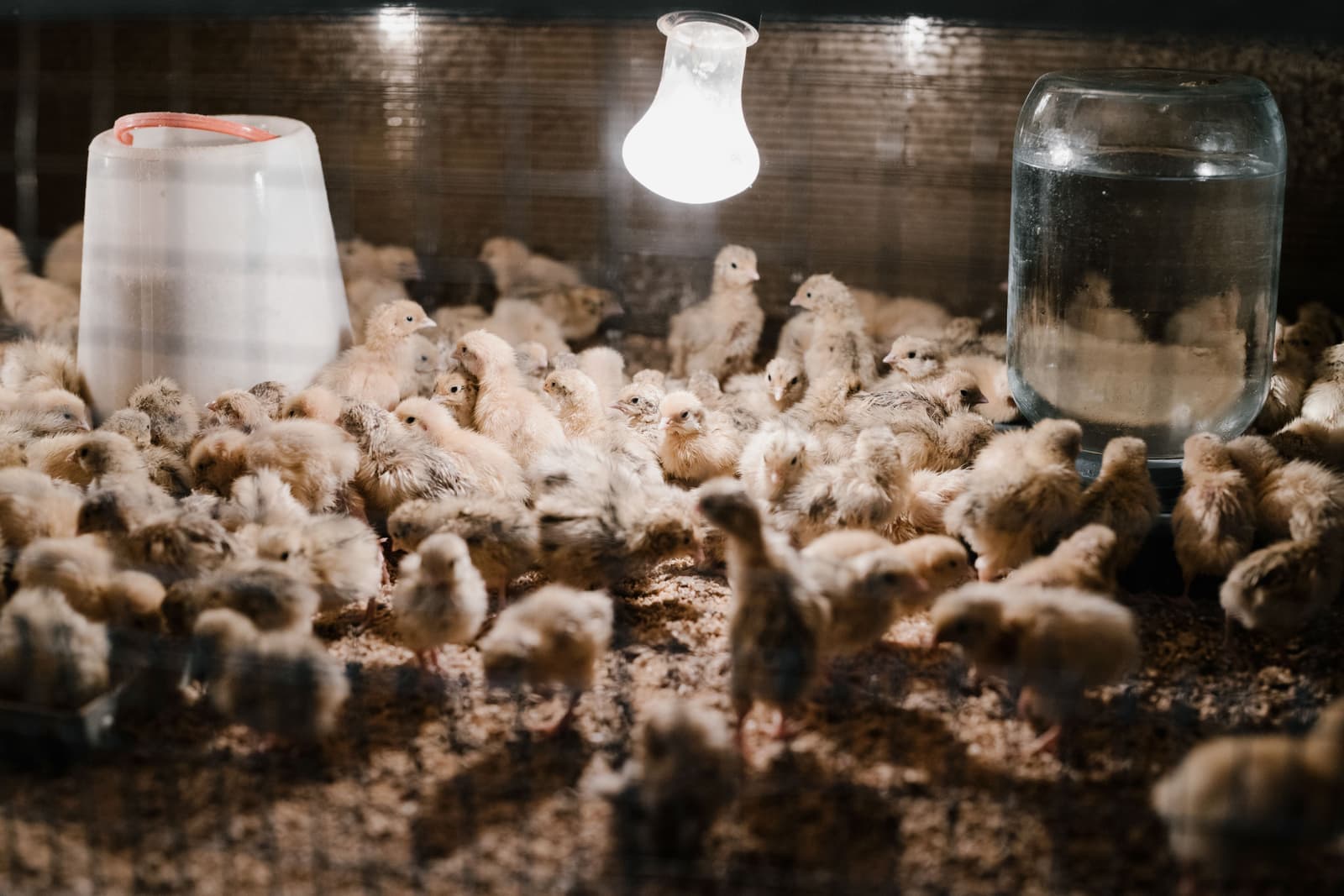
A brooder is a box that stays warm. That is the whole idea. Everything sold for this stage is either the heat, the food, the water, or a way of measuring one of them, and almost every problem a first-time keeper has in these six weeks is a temperature problem wearing a different hat.
The good news is that the schedule is published, specific and not in dispute. Penn State Extension puts it plainly: supply 95 F at chick level under the heat source for the first week, then decrease by 5 F per week until you reach normal daily temperature, which they give as 62 to 65 F. Their space table runs alongside it, and it is worth reading because it is the reason a brooder that was fine in week one is crowded by week four.
| Age | Temp at chick level | Floor space per bird | Feeder space | Waterer space |
|---|---|---|---|---|
| Week 1 | 95 F | 1/4 sq ft | 1 in | 1/2 in |
| Weeks 2-3 | 90 F | 1/2 sq ft | 1.5 in | 1/2 in |
| Weeks 3-5 | 85 F then 80 F | 3/4 sq ft | 2 in | 1/2 in |
| Weeks 5-8 | 75 F then 70 F | 1 sq ft | 2 in | 3/4 in |
| 8 weeks and up | Room temperature | — | — | — |
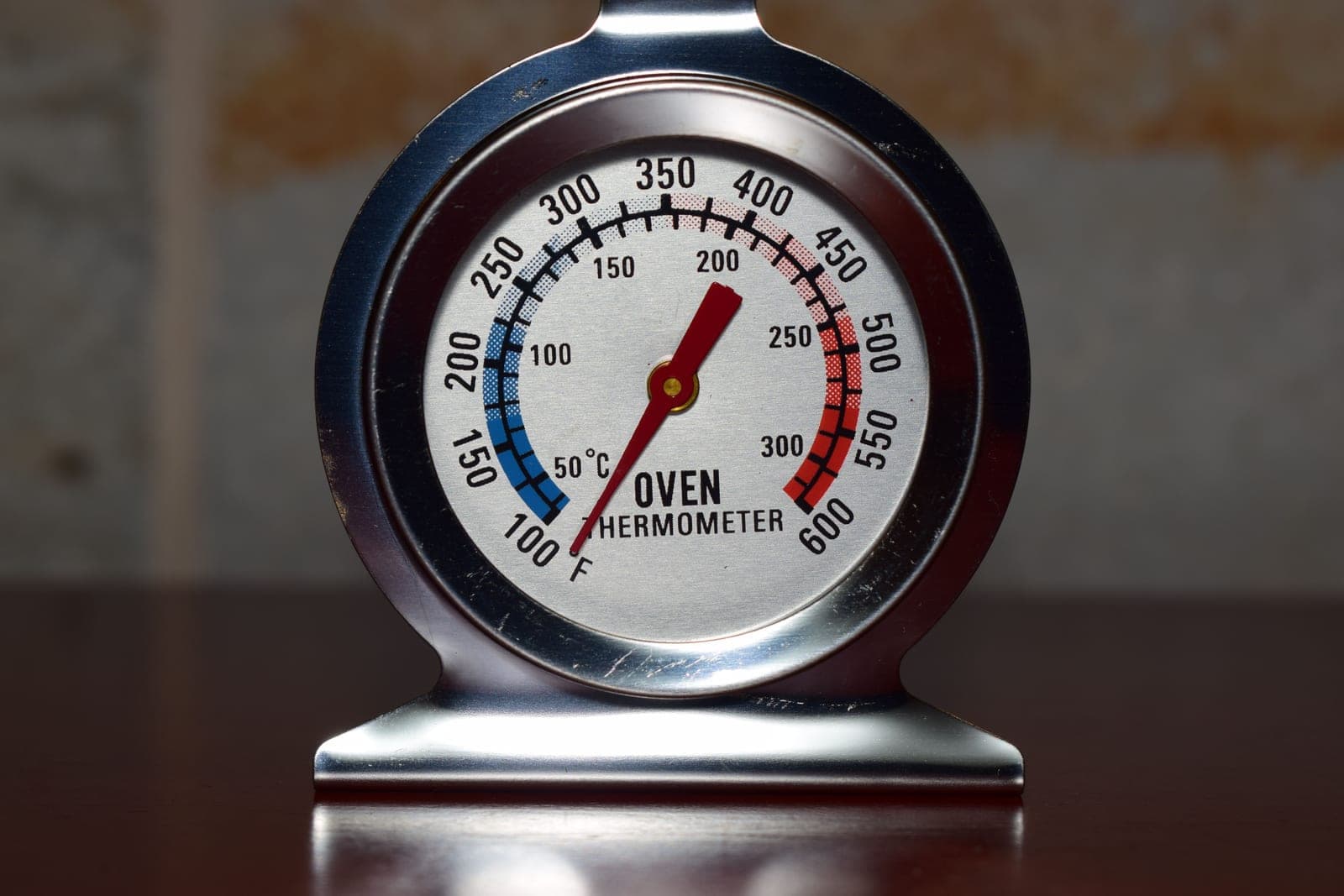
Two things fall out of that table that nobody tells you. The first is that floor space per bird quadruples between week one and week five, so a brooder sized for day-olds is badly overcrowded a month later — that is what the wall-climbing is. The second is that the temperature is measured at chick level under the heat source, not on the brooder wall and not in the room. A thermometer on a shelf is measuring the wrong thing.
You can also read it off the birds, and this is more reliable than any instrument. Penn State puts it in one sentence: cold chicks huddle under the heat source, and chicks that are too warm will be as far from the heat as they can get. Evenly spread, moving around, some under and some out: that is right.
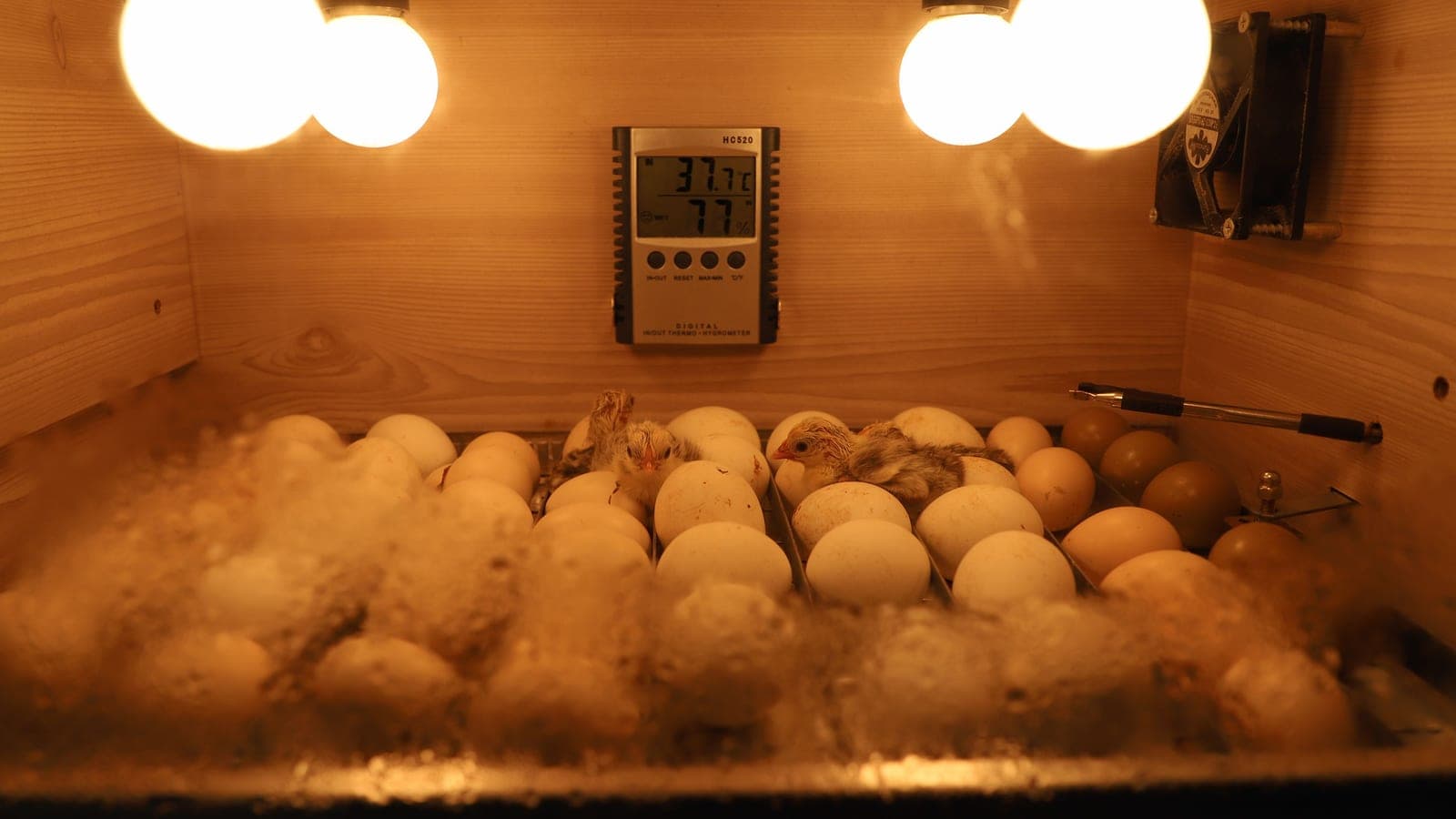
None of this changes if the chicks hatched in your kitchen rather than arriving in a box. A chick out of an incubator needs 95 F at chick level on exactly the same schedule, which is why the brooder has to be built and warm before hatch day rather than on it.
A heat lamp warms the air in a room. A brooder plate warms the chicks under it, the way a hen does, and lets the rest of the brooder be whatever temperature it wants. That is the design difference, and every practical difference follows from it — including a twenty-fold gap in running cost.
The cost is the smaller argument. The larger one is that a 250 W bulb suspended over dry bedding is a fire waiting for a loose clamp, and brooder fires are not rare. A plate has no bulb and runs at a surface temperature a chick can lean against. The full comparison, including the cases where a lamp is genuinely the right answer, is on heat plate versus heat lamp.
Chick starter is 18 percent protein and low calcium, and every credible brand is within a point of the others on both. The one real decision is medicated or not, and it is not a judgment call — it is a question about your chicks. If the hatchery vaccinated them against coccidiosis, buy unmedicated, because the amprolium in medicated feed can work against the vaccine. If they did not, medicated feed is cheap insurance against the single most common killer of brooding chicks. The medicated-versus-not page has the guaranteed analyses side by side.
Water is simpler and more annoying. Chicks fill a drinker with bedding within minutes of you filling it, twice a day, for six weeks. Raising the drinker off the shavings is the single change that fixes it.
Heads up: some links on this page are affiliate links. If you buy through one we may earn a commission at no extra cost to you. It never changes a ranking, and we take no payment for placement. The full version.
Best heat plate
Six brooder plates on published wattage, capacity and leg adjustment, with the running cost of each computed for a full brood.
Best heat source overall
A 250 W lamp against a 12 W plate: full running-cost math, the fire-risk argument, and the one case where a lamp still wins.
Best chick starter
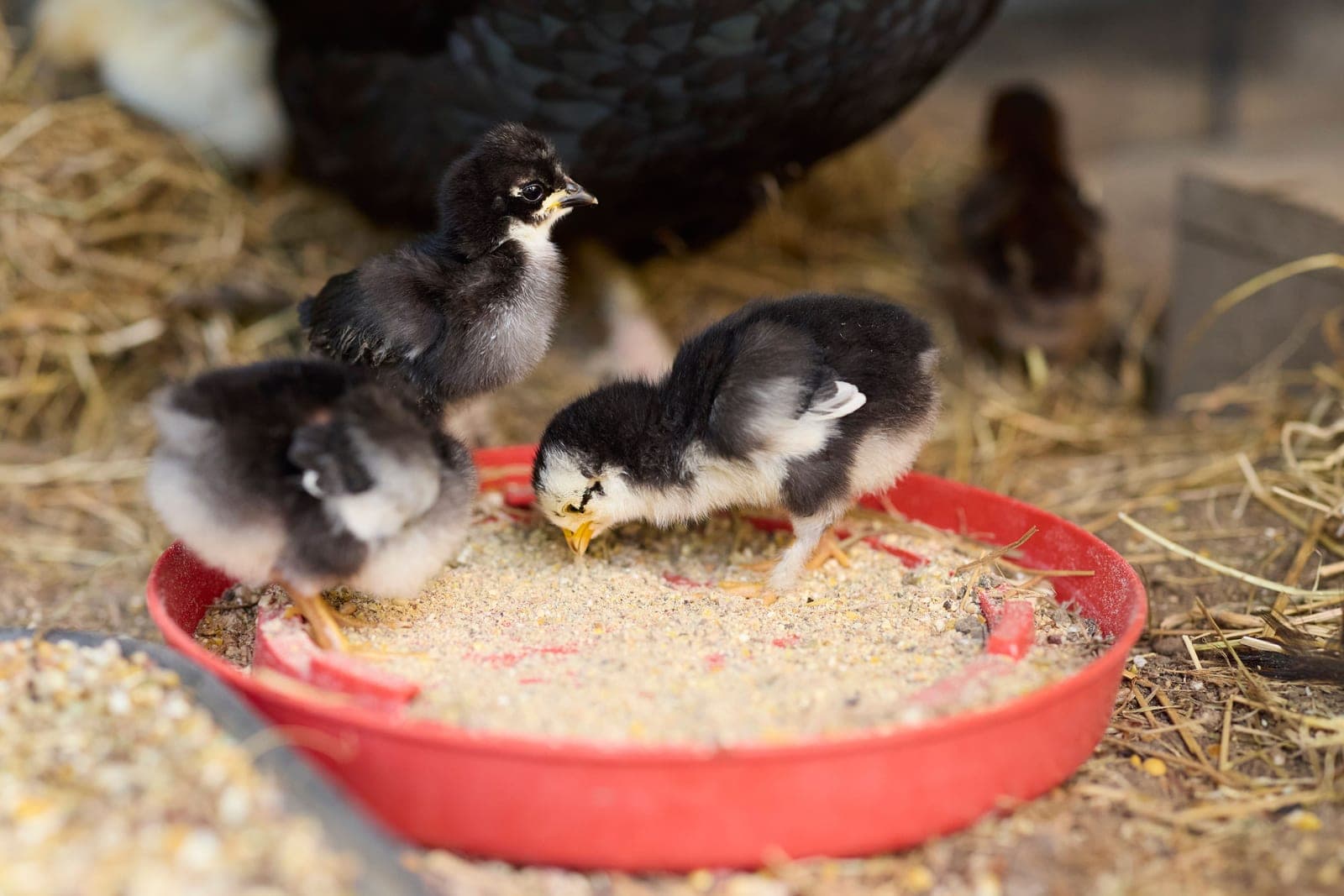
Three starter feeds with their published guaranteed analyses side by side, and the vaccination question that decides between them.
Top pick · Purina Start & Grow Medicated Chick Feed
Head to head
Amprolium, coccidiosis and the vaccination question — the one fact about your chicks that decides which bag to buy.
Top pick · Manna Pro Chick Starter Grower, Non-Medicated Crumbles
Best chick drinker setup
Chick drinkers, feeders and the raised-stand fix, sized with Penn State Extension's published space-per-chick figures.
Top pick · RentACoop Chick Feeder, Waterer and Accessory Stand
Best brooder thermometer
Four brooder thermometers on published range and accuracy, and the awkward fact that the purpose-built ones publish least.
Guide
The full published brooding schedule — temperature, floor space, feeder and waterer allowance — week by week.
Guide
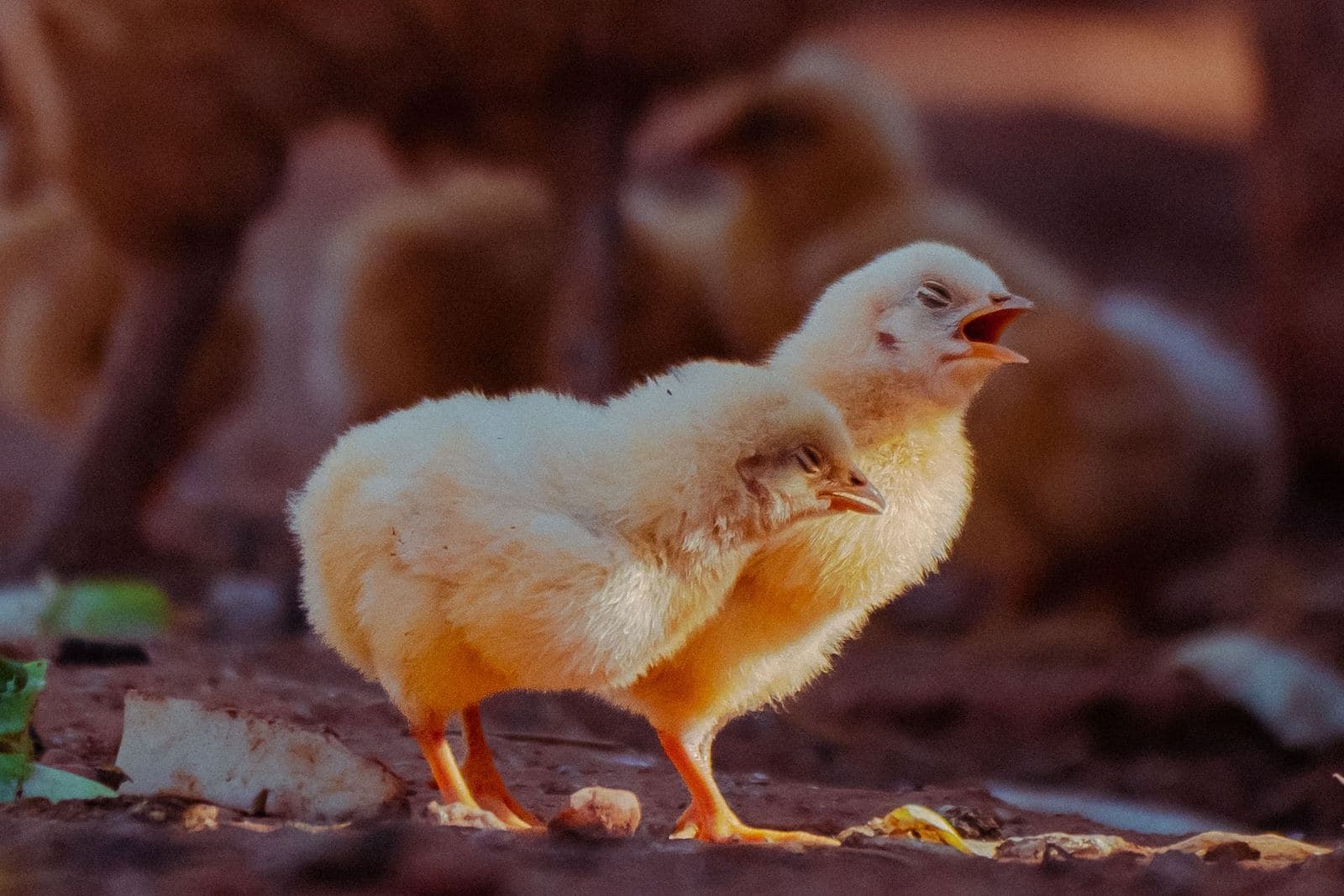
What to build a brooder from, how big it needs to be by week five, and the order to set it up in.
Guide
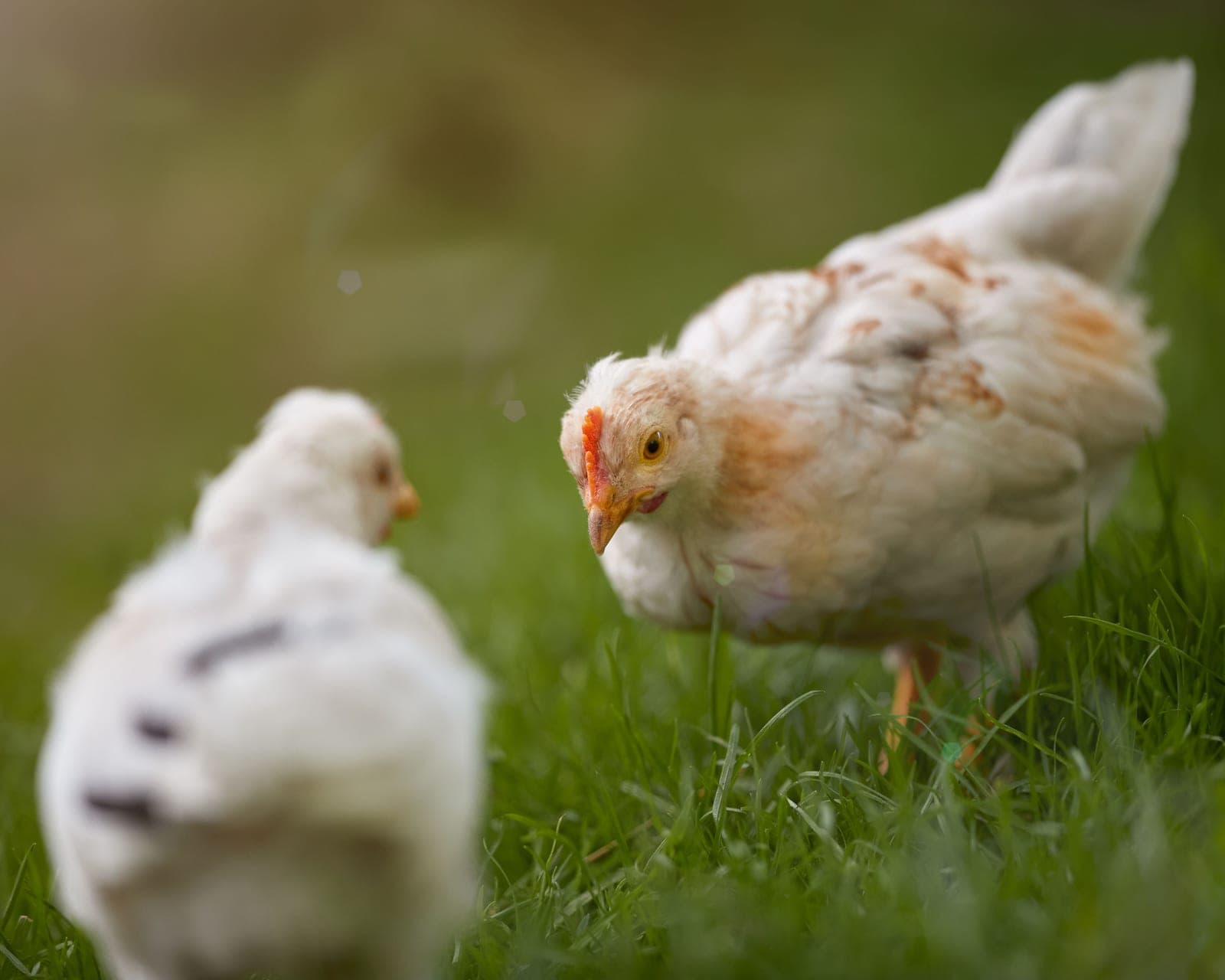
The two conditions that decide when chicks move outside, and the transition that avoids a setback.
Best chick grit
Grit is only needed once chicks eat something other than complete crumble. The published rule, the makers' conflicting start ages, and what to buy.
Penn State Extension publishes 95 F at chick level under the heat source for the first week, decreasing by 5 F per week until normal daily temperature of 62 to 65 F is reached. Measure under the heat source at the height of the chicks, not on the brooder wall and not in the room.
Following the published schedule of 95 F falling 5 F per week, chicks reach room temperature at around six to eight weeks. In practice most chicks stop using the plate before you remove it — they wean themselves off it as they feather out, and by five or six weeks many are ignoring it entirely.
They need heat at night, but it does not have to be a lamp. A brooder plate provides heat continuously with no light at all, which is closer to what a broody hen does and lets chicks keep a normal day and night cycle. A red heat lamp is the older approach to the same problem.
It depends on whether your chicks were vaccinated for coccidiosis at the hatchery. If they were, use unmedicated feed, because the amprolium in medicated feed can interfere with the vaccine. If they were not, medicated starter is a reasonable precaution, particularly on reused bedding or in a space that has held birds before.