Chicks can move outside when two things are true: they are fully feathered, usually around five to six weeks, and the coop’s overnight temperature is close to what the brooder had already come down to. Following the published schedule, the brooder is at 75 F in week five and 70 F in week six, so a coop that stays near that is a safe destination.
The two conditions
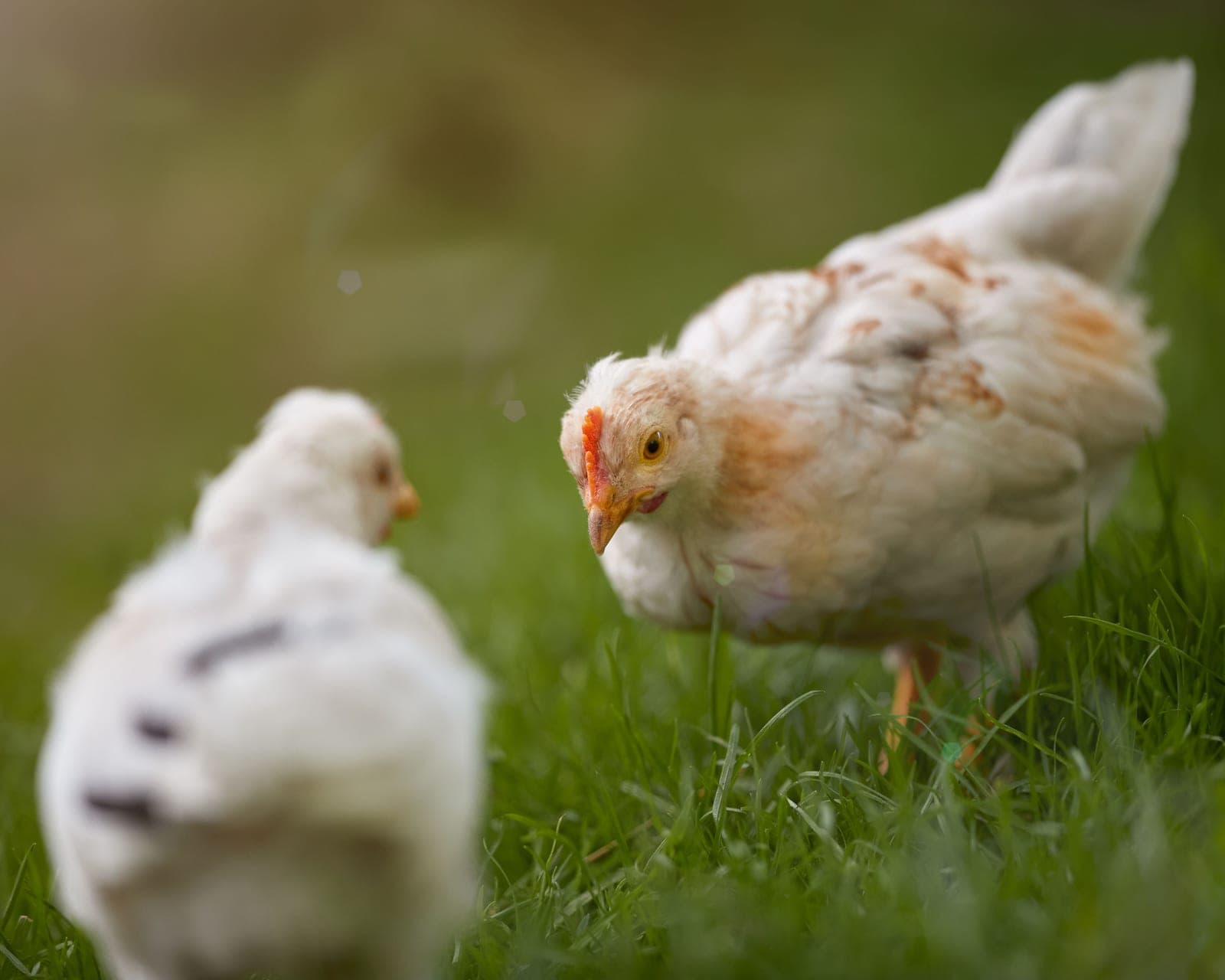
Feathering. Down does not insulate a wet or cold bird; feathers do. A chick is ready when the down is gone and it is wearing proper feathers, including across the back and around the neck. Breeds differ by a week or more, and within a hatch individuals differ. Look at the birds, not the calendar.
Temperature match. This is the one people skip. Penn State’s schedule has the brooder at 75 F in week five and 70 F in week six. If your coop drops to 40 F overnight, moving a week-five chick from a 75 F brooder into it is a 35-degree step in one evening. That is a setback at best. Either wait until the brooder has come further down and the birds are further feathered, or make the transition gradual.
How to make the move
The approach that works is to shrink the gap from both ends rather than making one jump.
Follow the schedule down properly. Do not hold the brooder at 85 F because it feels kinder. A brooder that keeps chicks warmer than the schedule for six weeks produces birds with no cold tolerance at all, and then the move outside is a shock.
Daytime outings first, from about week four. An hour in a secure run on a mild afternoon, then back in. They learn the space, they get sun, and they build tolerance. Supervise: a four-week-old chick is a snack for a great many animals.
Extend the outings. Longer, then all day, then all day in cooler weather.
Move them at night. Chickens are docile in the dark and wake up where they went to sleep. Moving a flock into a coop after dusk means they wake up in the coop and treat it as home, which is exactly what you want.
Shut them in for two or three days. Confining a new flock to the coop and run for a few days is what teaches them where home is. Skip this and you will spend the first week catching birds at dusk.
The coop has to be ready before they need it
This is the practical reason the coop should be ordered around week three. A flat-pack coop can take a weekend to build, deliveries slip, and a batch of feathered six-week-olds climbing the brooder walls is not the moment to discover you are missing a panel.
Ready means the coop is assembled, the run is enclosed with half-inch hardware cloth rather than chicken wire, bedding is down, and the feeder and waterer are in place and full. Young birds moved into an unfinished setup are the birds most likely to be lost to a predator, because “we will finish the run tomorrow” is a night with a gap in it.
What to watch in the first week outside
The first week in the coop.
What you see
What it means
Piled in a corner of the coop at night rather than roosting
Normal for the first nights; they learn roosting
Refusing to go in at dusk
They have not learned the coop is home. Confine for another few days
Huddled and inactive during the day
Too cold. Consider moving them back or adding shelter
Panting, wings held out, in shade
Too hot. Young birds handle heat worse than cold
Not eating or drinking on day one
Show them where both are. A new space disorients them
Heads up: some links on this page are affiliate links. If you buy through one we may earn a commission at no extra cost to you. It never changes a ranking, and we take no payment for placement. The full version.
The picks
What has to be ready before they go
A coop, the mesh that makes the run safe, and bedding for the floor.
Omlet
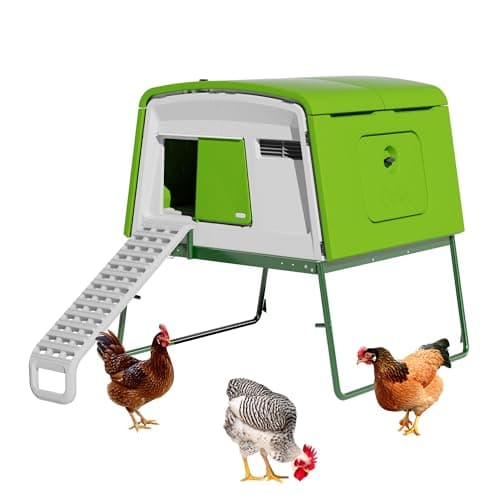
Eglu Cube
7.8 sq ft interior
Best for: Cleaning in ten minutes, not an hour
A plastic coop that hoses out, with published interior dimensions you can actually check — and once you check them, a six-hen claim that only works because the run is permanently attached.
Best for: The only mesh that actually excludes predators
Half-inch welded mesh in 19 gauge steel — not chicken wire, which keeps chickens in and keeps nothing out, and is the single most expensive mistake a first-time keeper makes.
#ad We have no verified Amazon listing for this one, so no number is shown. How this is funded.
Small Pet Select
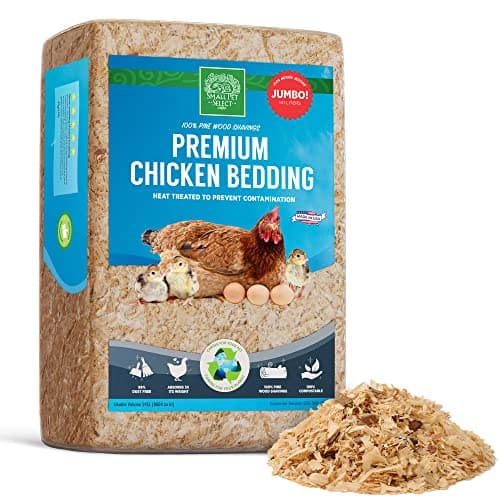
Pine Shavings Chicken Bedding
Triple-screened, 99% dust-free
Best for: Dust-sensitive birds and brooders
Ordinary pine shavings with an unusual claim attached: triple-screened to 99 percent dust-free, which is the one bedding spec that matters in an enclosed brooder.
Usually five to six weeks, once they are fully feathered and the coop's overnight temperature is close to what the brooder had come down to. Penn State Extension's schedule puts the brooder at 75 F in week five and 70 F in week six, so a coop staying near that is a safe destination. Feathering varies by breed, so judge the birds rather than the calendar.
+Can chicks go outside at 4 weeks?
For supervised daytime outings in mild weather, yes, and it is a good idea — it builds cold tolerance and familiarity with the space. Living outside full time at four weeks is usually too early, because most chicks are not fully feathered and the overnight temperature drop is a large step from a 80 F brooder.
+How do I get chickens to sleep in the coop?
Move them after dark, when chickens are docile and will wake up where they went to sleep, then confine them to the coop and run for two or three days. That is what teaches them the coop is home. Skipping the confinement period usually means a week of catching birds at dusk.
+Do I need a heat lamp in the coop for young chickens?
No, and it is a poor idea: a lamp in a wooden coop full of dry bedding is a fire risk, and birds that come to depend on heat are in real danger during a power cut. If the coop is genuinely too cold for them, that means they are not ready to move yet rather than that the coop needs heating.
Where the numbers came from
Sources
Every figure cited on this page came from one of these documents. If one of them has changed since we read it, the number here is out of date and we would like to know.