A dust bath is dry loose material a chicken can roll in — soil, sand, wood ash, optionally food-grade diatomaceous earth. The dust works into the feathers and abrades or smothers external parasites. The only requirement that genuinely matters is that it stays dry, because wet dust does nothing at all.
What it is for
Dust bathing is instinctive, not learned, and it is not play. A chicken scratches a hollow, settles into it, and flicks material up into her feathers with her wings, then shakes it out. The dust works down to the skin, absorbs excess oil, and abrades or smothers mites and lice living there.
It is the flock’s own parasite management and it works. A flock with permanent access to a good dry dust bath has a meaningfully lower parasite burden than one without, and providing it costs almost nothing.
It is also the reason chickens dig craters in your flower beds. If you do not provide a bath, they will find one, and it will be somewhere you would rather they did not.
The mix
What goes in, and what it does.
Ingredient
Role
Notes
Dry soil or sand
The base; most of the volume
Whatever you have. Sand drains and stays loose
Wood ash
Fine, alkaline, absorbs oil
Untreated wood only. Never briquettes or treated timber
Food-grade diatomaceous earth
Abrasive; the parasite-specific ingredient
A modest proportion, mixed through. Mask up when mixing
Dried herbs
Nothing we can substantiate
Harmless; the claims are not sourced
Peat or dry compost
A soft base some keepers prefer
Must be genuinely dry
There is no correct recipe and we are not going to invent proportions to sound authoritative. The base is dry loose material; the additives are optional. The most common practical mix is roughly equal parts dry soil and sand with wood ash and a smaller proportion of DE worked through.
Dry is the whole thing
Every component of a dust bath works by being a dry loose powder that gets into feathers. Wet, none of it does. Damp DE is inert; damp ash is a paste; damp soil is mud, and a bird rolling in mud is worse off than one that did not.
So siting matters more than the mix does. Under a raised coop, inside a covered run, or under any shelter that keeps rain off. If your only option is open ground, use a container with a lid you can put on when it rains.
The container
Big enough to lie down and flap in. Roughly two feet square for standard birds is comfortable. Too small and they will use it and then dig a proper one somewhere else.
Low enough to step into. A high-sided tub is a hurdle, especially for older birds.
Anything works. An old tire filled with the mix is the classic, a shallow plastic tub is fine, a wooden box is fine, a scraped hollow under the coop is free.
Deep enough that they can get down into it. Four to six inches of material.
What to leave out
Charcoal briquettes or ash from them. They contain binders and accelerants.
Ash from treated, painted or engineered timber. Same reason.
Pool-grade diatomaceous earth. Crystalline silica, a serious respiratory hazard. See the DE page.
Any insecticide not labeled for the use. A dust bath is a thing birds press into their skin and inhale. It is the last place for an unlabeled product.
Heads up: some links on this page are affiliate links. If you buy through one we may earn a commission at no extra cost to you. It never changes a ranking, and we take no payment for placement. The full version.
The picks
What goes in it
The base is dry soil or sand you already have. These are the two things worth buying, and only one of them is essential.
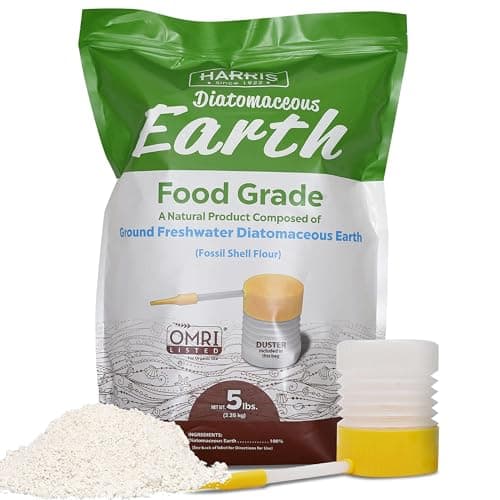
Harris
Food Grade Diatomaceous Earth
89%+ silicon dioxide, OMRI
Best for: A dust bath additive
Eighty-nine percent silicon dioxide, OMRI listed, and honest about what it is for — a dusting powder for the places birds bathe, not a treatment for an infestation you already have.
Ordinary pine shavings with an unusual claim attached: triple-screened to 99 percent dust-free, which is the one bedding spec that matters in an enclosed brooder.
A base of dry soil or sand, optionally with wood ash from untreated wood and a modest proportion of food-grade diatomaceous earth mixed through. There is no single correct recipe; the base is most of the volume and the additives are optional. Keeping it dry matters far more than the exact mix.
+Do chickens need a dust bath?
They will make one whether or not you provide it, because dust bathing is instinctive rather than learned. Providing a good dry one gives you the parasite-prevention benefit and saves your flower beds. A flock with permanent access to a dry dust bath carries a meaningfully lower parasite burden.
+How big should a chicken dust bath be?
Roughly two feet square and four to six inches deep for standard breeds — big enough for a bird to lie down and flap in, and low enough to step into easily. Too small and the birds will use it briefly and then dig a proper one somewhere you would rather they did not.
+Can I use wood ash in a chicken dust bath?
Yes, from untreated wood only. It is fine, alkaline and absorbs oil, which is exactly what a dust bath is for. Never use ash from charcoal briquettes, which contain binders and accelerants, or from treated, painted or engineered timber.
Where the numbers came from
Sources
Every figure cited on this page came from one of these documents. If one of them has changed since we read it, the number here is out of date and we would like to know.
Feather pecking is a management problem before it is a boredom problem. The published causes, the enrichment extension services actually name, and what is worth buying.