Apple cider vinegar for chickens, and the number that decides it
This is usually argued as folklore against skepticism. It is neither: an extension service publishes a target pH band for poultry drinking water and notes that growers use 5 percent apple cider vinegar to reach it. Whether that applies to you is a measurement, not an opinion.
There is a published rationale, and it is narrower than the folklore. Mississippi State Extension publishes that “a pH in the range of 6.2 to 6.8 seems to work well for chickens”, that birds “accept water on the acid side… better” than alkaline water, and that “many growers… may purchase 5 percent apple cider vinegar to lower the pH of their water supply.” So the question is not whether vinegar does anything. It is whether your water is outside the band — and that is a test strip, not a debate.
What is actually published
Three specific benefits of acidifying water are named, and they are worth quoting because they are unlike the claims usually made for vinegar in a chicken forum:
“lowering the pH of the gastrointestinal tract, which reduces the growth of pathogenic organisms”
“improving chlorine availability”
“preventing scale buildup in drinker systems”
The same source notes what happens at the other end of the scale: “water that is highly alkaline may also cause poor feed conversion and reduced water and/or feed intake, along with possible diarrhea and digestive upsets.” And it describes acetic acid — the active part of vinegar — as “a weak acid and much less dangerous to handle than stronger acids”, which is the practical reason growers reach for vinegar rather than a laboratory acid.
Why the test strip is the first pick
Read the rationale carefully and it is entirely about correcting a pH that sits outside 6.2 to 6.8. Nothing in it says that water already in band benefits from being pushed further down. So the honest sequence is: measure, then decide.
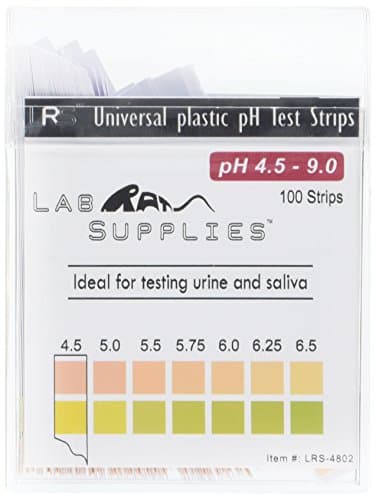
Most municipal supplies in the United States are deliberately held slightly alkaline to protect pipework, which is exactly the case where the published rationale bites. Plenty of well water sits in band already, in which case adding vinegar is solving a problem you do not have. A hundred strips cost less than a bag of feed and settle it in a minute.
Where the evidence stops
We went looking for studies, and they exist — but they need describing accurately rather than citing triumphantly. The peer-reviewed work we found on dietary vinegar in poultry reports effects on immune response and small-intestine structure, and it is largely conducted in broilers, not backyard laying hens. Results on growth performance are mixed across studies, with some finding no significant difference.
If you do use it
The concentration named in the published guidance is the product concentration — 5 percent apple cider vinegar — rather than a dose per gallon, and we are not going to invent a dose the source does not give. The defensible method is the one the number implies: add a small amount, measure the result, and stop when the drinker reads inside 6.2 to 6.8. That is what the strips are for.
Measure the treated water, not the recipe. The target is a pH, so the drinker is what you test.
Mix fresh. Vinegar in standing warm water is not a preservative, and the same guidance elsewhere on this site is to change open water daily.
Mind what the drinker is made of. The published benefit list includes preventing scale in drinker systems; we have not found a published statement on acid and galvanized metal, so if you run a metal drinker, check it rather than assume.
Do not combine it with a medication without asking a vet what the interaction is.
Two things that do more for water than vinegar
Worth saying plainly on a page about a supplement. The same publication puts water intake at “roughly twice the weight of feed intake”, rising to triple or quadruple in extreme heat. Volume and cleanliness dominate everything else.
A closed nipple system keeps the supply clean in a way no additive can — the waterer roundup covers it — and for a bird actually under stress, an electrolyte mix has a published composition aimed at the problem, which vinegar does not. Both are on this page for that reason.
Heads up: some links on this page are affiliate links. If you buy through one we may earn a commission at no extra cost to you. It never changes a ranking, and we take no payment for placement. The full version.
The picks
Test first, then decide
The strips that tell you whether you have a problem, the acid the published guidance names, and the two things that do more for water than vinegar does.
Plastic pH Test Strips
Universal pH Test Strips, 4.5 to 9.0, 100 strips
pH 4.5-9.0 range
The cheapest item on this site and the one that decides whether anything else on the apple cider vinegar page applies to you — because the published target is a pH band, and most people acidifying water have never measured it.
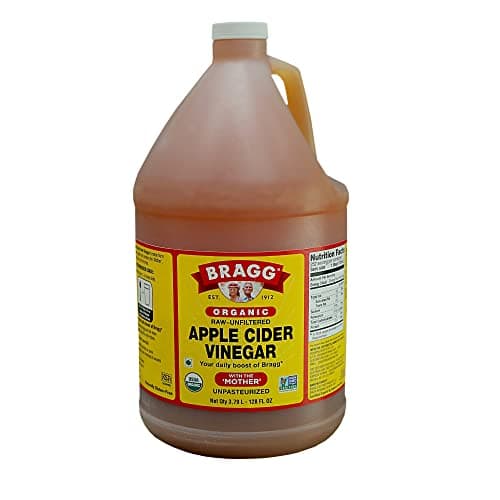
Organic Apple Cider Vinegar, Raw, Unfiltered, 128 oz
5% acidity, 1 gallon
If your water actually sits above the published band, this is the acid Mississippi State names growers using — and if it does not, it is an expensive way to make no measurable change.
Four nipples and a bucket you already own, which is the cheapest way to end the open-water problem for good and is rated by the maker at three chickens per nipple.
#ad We have no verified Amazon listing for this one, so no number is shown. How this is funded.
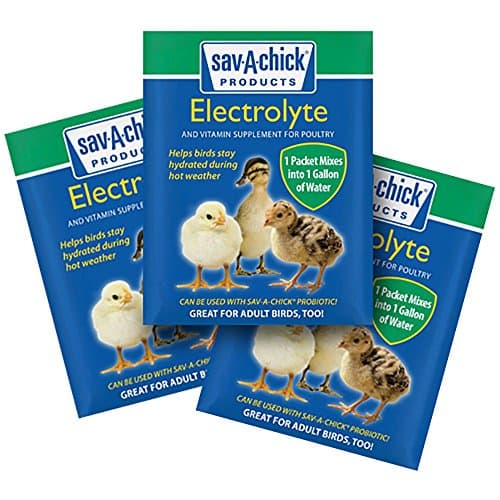
Sav-A-Chick
Electrolyte & Vitamin Supplement, 0.25 oz packets
15% potassium minimum
The only electrolyte mix here whose published analysis is built around potassium rather than salt, and the maker's own instruction is the honest one: offer it alongside plain water, never instead of it.
It has a published rationale, but a narrow one. Mississippi State Extension publishes a target drinking-water pH of 6.2 to 6.8 for chickens and notes growers using 5 percent apple cider vinegar to lower the pH of an alkaline supply. The named benefits are lowering gastrointestinal pH, improving chlorine availability and preventing scale in drinker lines. If your water already tests in band, none of that applies.
+How much apple cider vinegar do you put in chicken water?
The published guidance names a product concentration - 5 percent apple cider vinegar - rather than a dose per gallon, so we are not going to invent one. The defensible method follows from the target being a pH: add a little, test the drinker with strips, and stop when it reads between 6.2 and 6.8.
+Does apple cider vinegar prevent worms or mites in chickens?
No source cited on this site says so. The published rationale for vinegar in poultry water is water chemistry - pH, chlorine availability and scale in drinker systems. Worms and mites have their own published treatments, and vinegar is not among them.
+Does the vinegar need to have the mother in it?
Not for this purpose. 'Raw, unfiltered, with the mother' is a food-quality claim with no published poultry relevance. What the extension guidance names is 5 percent acidity, which plain vinegar also meets at a lower price.
+Can apple cider vinegar hurt chickens?
The publication describes acetic acid as a weak acid that is much less dangerous to handle than stronger acids, which is why growers use it. The sensible cautions are practical rather than dramatic: mix fresh, test the result rather than guessing, check your drinker material if it is metal, and do not combine it with a medication without veterinary advice.
Where the numbers came from
Sources
Every figure cited on this page came from one of these documents. If one of them has changed since we read it, the number here is out of date and we would like to know.
Sav-A-Chick against Durvet on published guaranteed analysis - 15% potassium versus 2% - plus when electrolytes genuinely help and when plain water is the better answer.
The published order is shade, water, ventilation. What to buy for each, the signs of heat stress in severity order, and the CFM arithmetic that rules a fan out of most coops.